Colour Guide
The complete guide to beige stair runners
Beige is the quintessential neutral. It is the colour of sand, stone, and raw wool. A beige stair runner offers a light, airy, and sophisticated foundation that works with almost any interior style.
Written by the StairRunner.co editorial team · Updated 4 September 2026
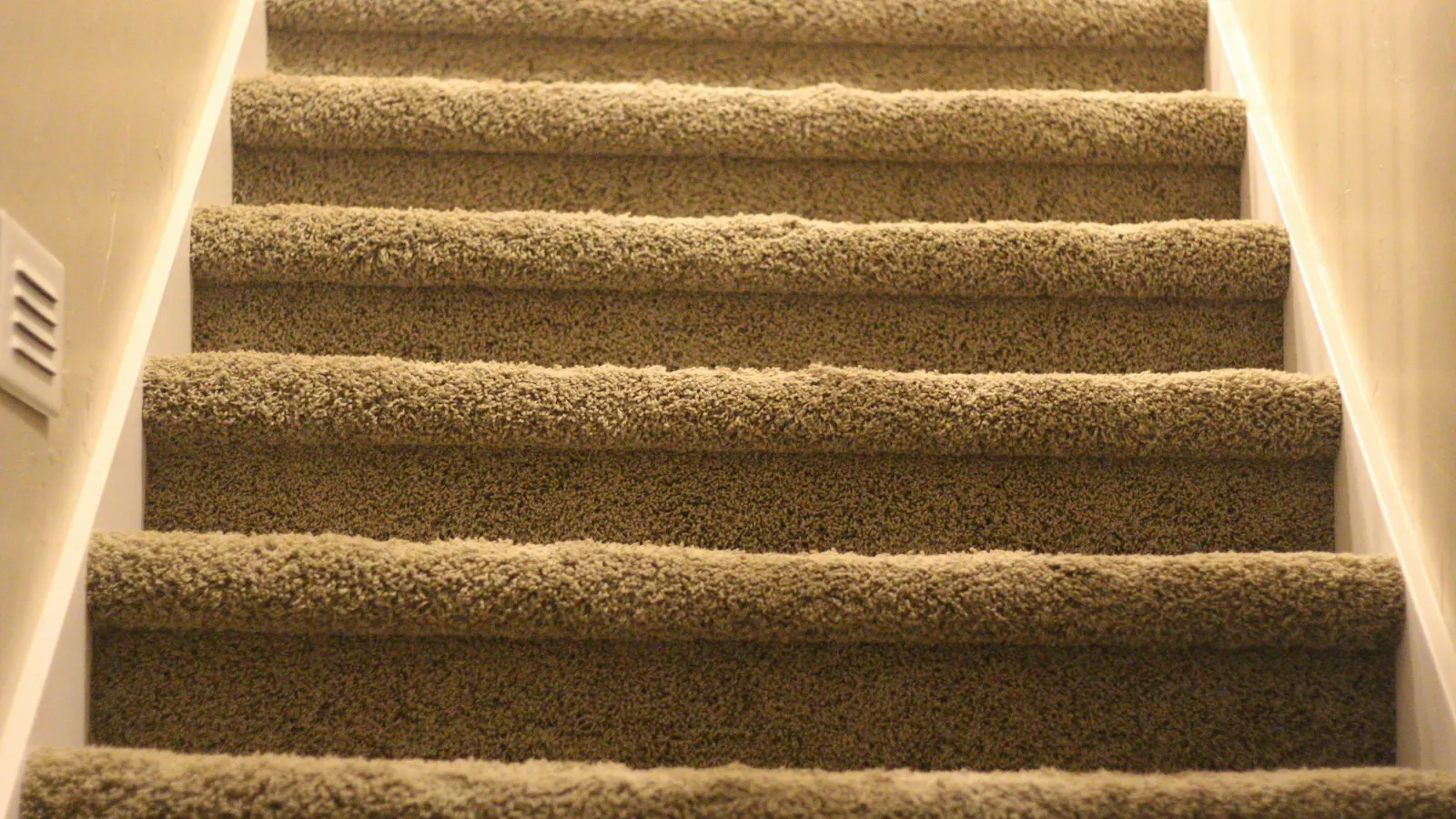
Beige is the colour most people reach for when they want stairs to feel lighter without the upkeep of cream or white. It sits comfortably with almost any timber and wall colour, which is why it rarely looks wrong. Its risk is the opposite: it can look flat and forgettable unless the shade, texture and edging are chosen with some care.
Which beige? Shades and how they behave
| Shade | Looks | Hides dirt |
|---|---|---|
| Oatmeal (flecked) | Soft, natural, slightly textured | Well — the flecks break up marks |
| Biscuit or camel | Warmer, richer, more traditional | Well |
| Stone or putty | Cooler, leaning grey; suits modern schemes | Moderately |
| Flat pale beige | Clean but can look plain | Poorly — every grey mark shows |
Living with a beige runner
The everyday grey-brown soil carried in on shoes lands on the nosings first, and on a plain pale beige it shows as a darker band on each step within months. A flecked or heathered yarn, or a subtle texture such as a ribbed or herringbone weave, hides that far better than a solid colour. Choose a mid-beige rather than the palest option if the stairs are the main route in from the front door.
Materials that suit beige
Beige is the natural colour of sisal, seagrass and jute, and a natural-fibre runner in its own shade is one of the most popular stair looks. Those fibres are tough but stain easily and should not be cleaned with water. A wool or wool-blend runner gives a softer feel and cleans more forgivingly; a solution-dyed polypropylene "sisal look" is the most stain-resistant. See the materials guide.
Pairing beige with timber, walls and hardware
| With | Works well |
|---|---|
| Pale oak or painted white stairs | A warm biscuit or oatmeal so the runner does not disappear |
| Dark stained or walnut stairs | Almost any beige — the contrast does the work |
| Grey or green walls | Stone or putty beiges with a cool undertone |
| Rods | Antique brass for warmth; black or bronze for a sharper look |
Making beige look intentional
- Add a bound border in a darker tone — charcoal, navy or chocolate — to frame the runner.
- Choose texture over a flat finish: a ribbed, bouclé or herringbone weave.
- Keep margins generous and even so the runner reads as a deliberate stripe.
- Paint the risers to contrast so each step is clearly defined.
Safety: defining the step edge
A beige runner on pale timber can make the edge of each step hard to see. A darker border or a runner with a slight tonal stripe at the edges helps the eye pick out the nosing, which matters for older or visually impaired members of the household.
Frequently asked questions
- Does a beige stair runner show dirt quickly?
- Yes, more so than darker colours. However, by choosing a 'heathered' or multi-tonal beige (oatmeal), you can hide significantly more soil than a flat, solid beige. Regular maintenance is essential.
- What is the best material for a beige runner?
- For durability and stain resistance, a high-quality wool-synthetic blend or a solution-dyed synthetic is best. If you want a natural look, sisal or seagrass in their natural beige tones are incredibly tough.
- How do I make a beige runner look modern?
- Use a contrasting border, such as black or dark grey tape. This adds a graphic edge that prevents the beige from looking dated or 'boring.' Pairing it with minimalist stair rods also helps.
- Will beige go with dark wood stairs?
- Absolutely. In fact, beige on dark wood is a classic, high-contrast look that is very popular. It makes the runner pop and provides excellent safety by clearly defining the steps.
- Is beige better than grey for stairs?
- Beige is 'warmer' than grey. If your hallway feels cold or north-facing, beige will add a much-needed sense of warmth. Grey is better for a more clinical, ultra-modern aesthetic.
- Can I get a beige runner that won't show footprints?
- Yes. Look for a 'loop pile' or a 'berber' weave. Because the fibres are looped rather than cut, they don't 'lean' when you step on them, meaning they don't show the shading or 'vacuum tracks' that a cut-pile carpet would.
- How do I remove a red wine stain from a beige runner?
- Speed is key. Blot (don't rub) the spill with a dry white cloth to absorb as much as possible. Then use a mixture of sparkling water and a tiny drop of wool-safe detergent. If it's a wool runner, avoid 'Oxy' style cleaners as they can bleach the natural cream tones of the wool.
Related guides
 CareCleaning and Caring for a Stair RunnerRoutine vacuuming, spill response by fibre type, slipping and fraying, and when to call a professional.
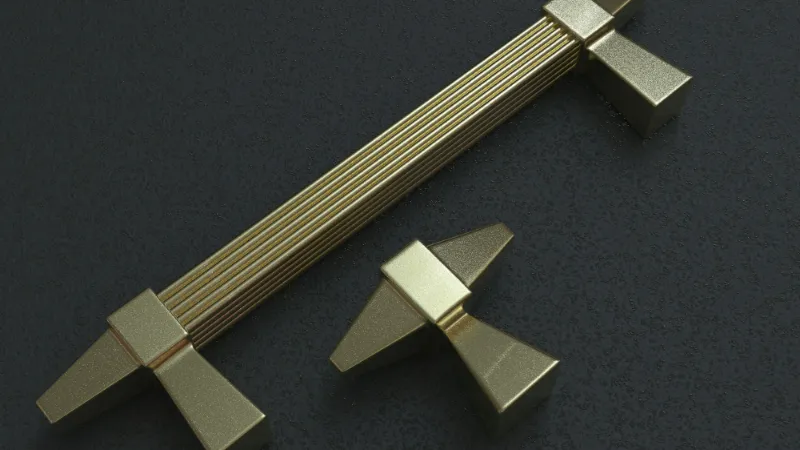 InstallationStair Rods, Clips and Runner HardwareHow stair rods, clips, brackets and bars actually work, when they hold a runner and when they are decorative.
 DesignChoosing a Stair Runner ColourHow light, adjacent flooring, trim colour, traffic and dirt should drive the colour decision.
 MaterialsWool Stair RunnersWhy wool holds its shape on stairs: crimp, twist, blends, staining, moths, shedding and honest limitations.