Colour Guide
The comprehensive guide to brown stair runners
Brown is the ultimate colour of stability, comfort, and practicality. A brown stair runner offers a grounded, organic feel that harmonises perfectly with natural materials like wood and stone.
Written by the StairRunner.co editorial team · Updated 4 September 2026
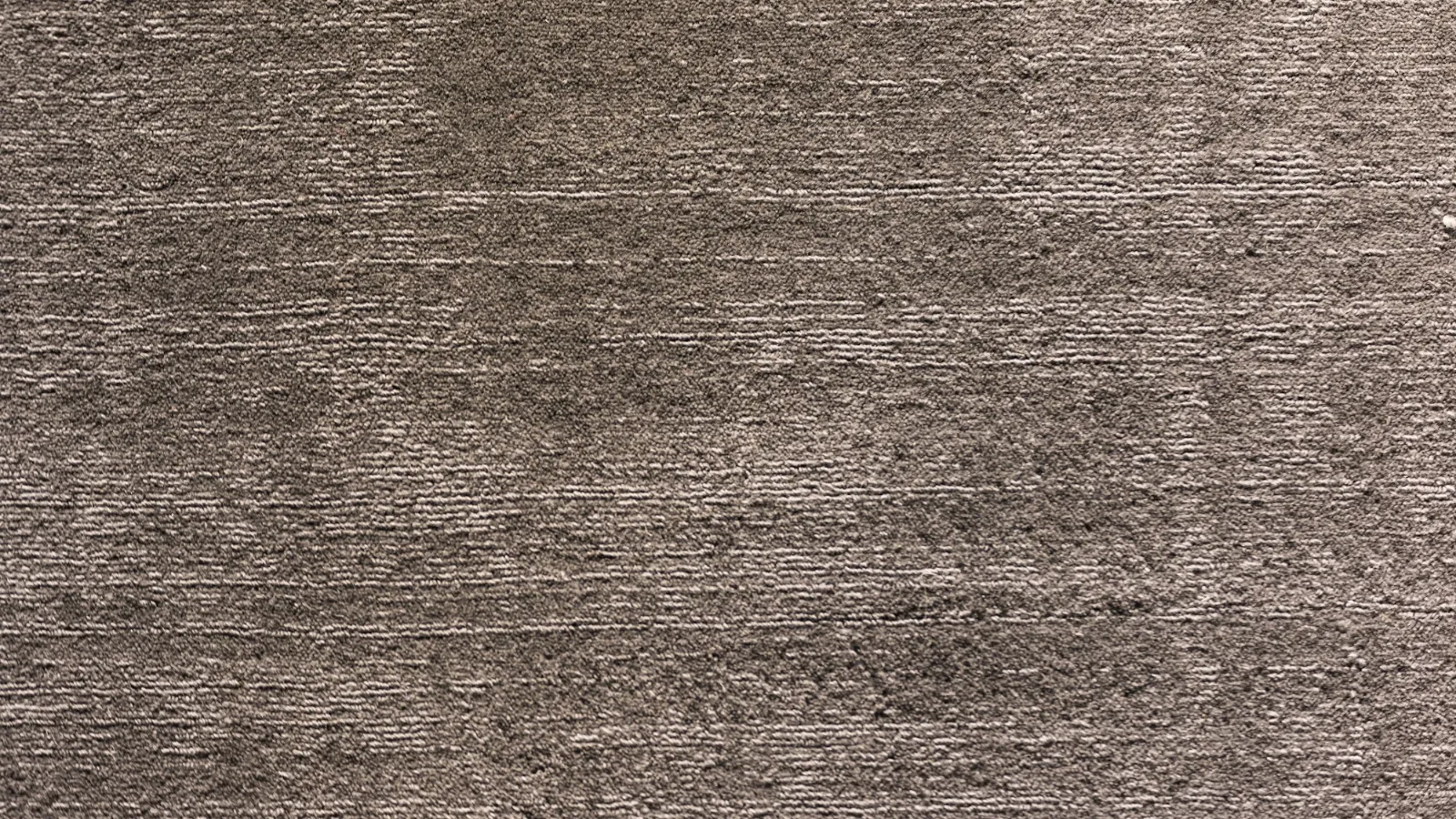
Brown has come back. Chocolate, tobacco, caramel and mocha runners bring warmth that grey cannot, and they are among the most practical colours for a staircase. The challenge is to make brown look rich and current rather than heavy or dated.
Browns compared
| Shade | Look | Suits |
|---|---|---|
| Chocolate | Deep, luxurious | Painted stairs, cream walls |
| Tobacco or rust-brown | Warm, 1970s-inspired | Mid-century and eclectic homes |
| Caramel or camel | Light and warm | Dark timber, darker walls |
| Mocha or taupe | Soft and neutral | Almost anywhere |
Why brown is so practical
Most of the dirt carried onto stairs is brown or grey-brown, so a mid-brown runner disguises it better than almost any other colour. Very dark chocolate will show light dust and pet hair, but a mid-tone or a flecked brown is extremely forgiving.
Brown with timber
The main risk is brown runner on brown wood, where the stairs become one muddy mass. Create contrast: a chocolate runner on pale oak or white-painted treads, or a caramel runner on dark stained wood. If the timber and runner are close in tone, add a border or paint the risers.
Making brown look modern
- Pair it with warm whites, plaster pinks, sage green or ochre walls.
- Choose texture — a ribbed or bouclé finish rather than a flat velour.
- Use brass or aged bronze rods for warmth, or black for contrast.
- Try brown in a stripe or a two-tone border for a tailored look.
Fibres
Wool shows brown at its richest. Natural fibres like coir and jute bring a lighter, rustic brown. Synthetics are practical but can look flat in deep browns, so check samples in daylight.
Frequently asked questions
- Is a brown stair runner boring?
- Not at all. Brown is a 'sophisticated neutral' that provides an excellent foundation for other colours. By playing with texture (like a deep chocolate loop) or pattern (like a mocha herringbone), you can create a rich, high-end look.
- How does brown hide dirt?
- Brown is arguably the most practical colour for a high-traffic staircase. It masks mud, coffee stains, and general 'grey' soil better than any other colour. Mid-to-dark browns are the ultimate low-maintenance choice.
- What wall colours work with brown?
- Warm whites, creams, and pale teals work beautifully. For a modern look, pair a cool taupe runner with soft grey walls. For a traditional feel, use warm beige or even a soft terracotta.
- Does a dark brown runner make a hallway look small?
- It can if the hallway is narrow and dark. To avoid this, use a brown runner with a lighter border, or ensure the walls are a pale, light-reflecting colour to provide contrast.
- Which timber pairs best with brown?
- Brown runners look excellent with light oak, as the contrast is clear. They also work with dark walnut for a 'seamless' look. Avoid pairing a very similar brown runner with brown-stained stairs, as it can lack definition.
- Does brown carpet attract more dust?
- No, it doesn't attract more dust, but dark brown can show light-coloured dust (like skin cells or lint) more clearly than a mid-tone. However, it is much better at hiding 'real' dirt like mud and soil than almost any other colour.
- Is a brown runner suitable for a minimalist home?
- Absolutely. A cool-toned taupe or 'ash' brown runner provides a soft, neutral base that fits perfectly with a minimalist aesthetic, offering warmth and texture without the clinical feel of pure grey or white.
Related guides
 CareCleaning and Caring for a Stair RunnerRoutine vacuuming, spill response by fibre type, slipping and fraying, and when to call a professional.
 MaterialsSisal and Jute Stair RunnersNatural plant-fibre runners on stairs: durability, texture, moisture behaviour, borders and honest limitations.
 DesignChoosing a Stair Runner ColourHow light, adjacent flooring, trim colour, traffic and dirt should drive the colour decision.