Colour Choice
Neutral stair runners: The foundation of a timeless home
Neutral doesn't mean boring. A well-chosen neutral stair runner provides the perfect backdrop for your interior, balancing practicality with effortless sophistication.
Written by the StairRunner.co editorial team · Updated 4 September 2026
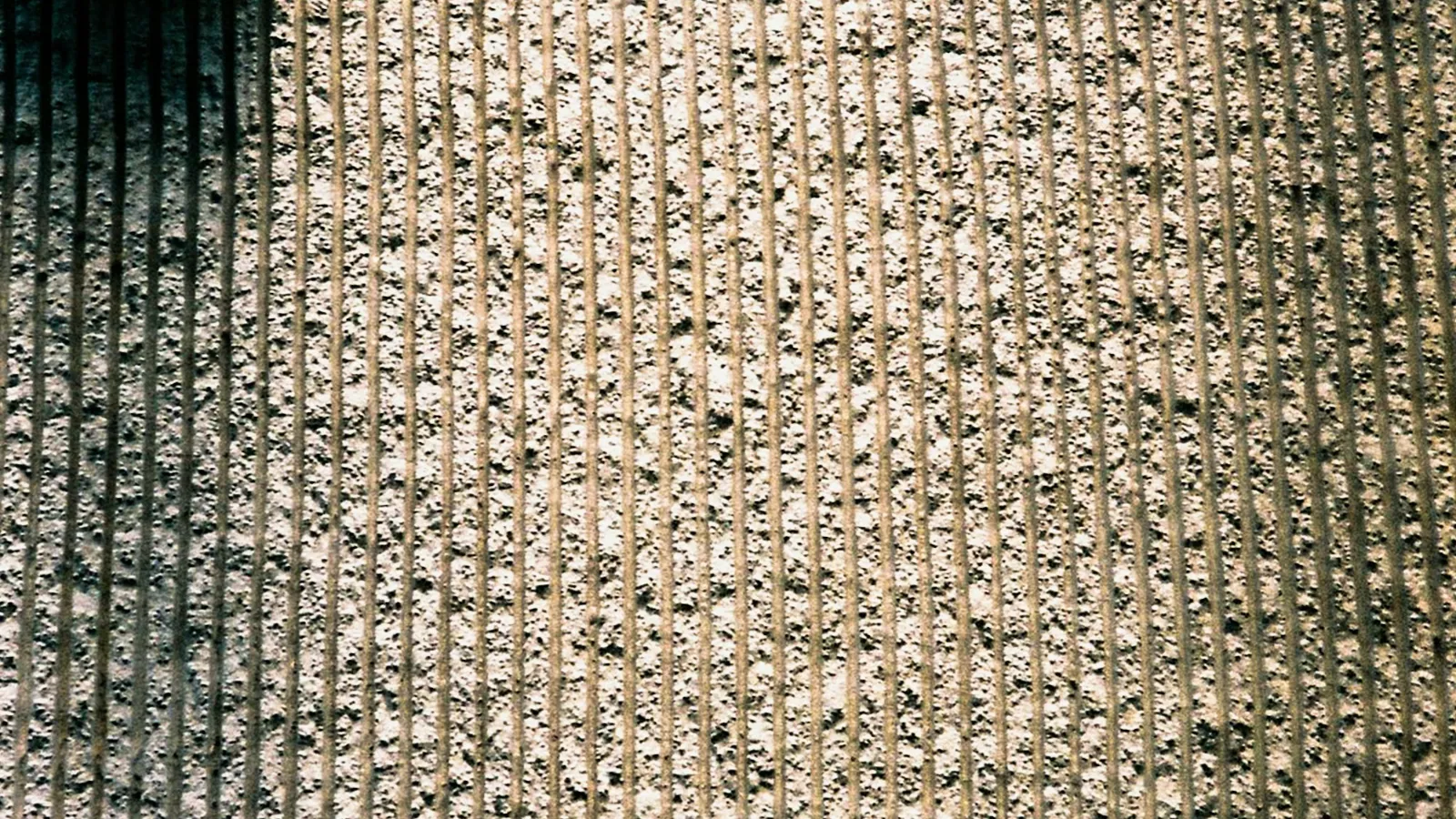
A neutral runner — anything from oatmeal and stone to taupe, grey and charcoal — is the safe, long-lived choice for stairs. It will outlast changes of wall colour and furniture and appeals to buyers if you sell. The art is in avoiding "safe and dull", which comes down to tone, texture and finish.
Warm or cool neutral?
| Warm neutrals | Cool neutrals | |
|---|---|---|
| Shades | Oatmeal, biscuit, camel, taupe | Stone, dove grey, slate, charcoal |
| Suits | Period homes, honey timber, warm whites | Modern schemes, white-painted stairs, grey walls |
| Watch for | Can look yellow under warm bulbs | Can feel cold in north light |
Which neutral hides the most
Mid-tones hide the most. The palest neutrals show soil; the darkest show lint, dust and pet hair. A mid-grey, taupe or flecked oatmeal is the most forgiving option on a busy staircase.
Adding interest without colour
- Texture: herringbone, ribbed, bouclé or a chunky loop.
- Tone-on-tone pattern: a subtle stripe or geometric in two close shades.
- Border: a darker binding to frame the runner.
- Natural fibres: the variation in sisal, seagrass or jute is naturally interesting.
Neutrals and natural fibres
Many of the most popular neutral runners are natural fibres. They look superb and are hard wearing, but stain easily and should be cleaned dry. If you want the look with easier care, choose a wool or synthetic with a natural-fibre texture. Compare options in the materials guide.
Selling a home
A fresh neutral runner is one of the most effective small upgrades before a sale: it makes worn stairs look cared for and photographs well. Choose a mid-tone so it still looks good after weeks of viewings.
Frequently asked questions
- What colours are considered neutral for a stair runner?
- Neutral tones include beige, taupe, grey, oatmeal, and stone. These colours are designed to complement a wide range of interior palettes rather than dominate them.
- Why are neutral runners so popular?
- They offer maximum longevity. As your wall colours or furniture changes, a neutral runner remains relevant, avoiding the need for costly replacements as trends shift.
- Do neutral runners hide dirt well?
- Mid-toned neutrals like oatmeal or 'biscuit' are excellent at hiding daily soil. Very light neutrals act like white, while very dark neutrals show lint and dust.
- What is the best material for a neutral runner?
- Wool is the classic choice for neutrals, offering a natural warmth and depth. Sisal and seagrass are also popular for their organic, neutral textures.
- Can I add interest to a neutral runner?
- Yes, through texture. Waffle weaves, bouclé finishes, or subtle herringbone patterns add visual depth without requiring bold colours.
Related guides
 MaterialsSisal and Jute Stair RunnersNatural plant-fibre runners on stairs: durability, texture, moisture behaviour, borders and honest limitations.
 BuyingHow to Choose a Stair RunnerA decision order that starts with the staircase and ends with colour, not the other way round.
 MaterialsWool Stair RunnersWhy wool holds its shape on stairs: crimp, twist, blends, staining, moths, shedding and honest limitations.