Maintenance
Removable Stair Runners
How to fit a runner you can take up later — which fixings leave the least trace, which ones to avoid on stairs, and how to lift it cleanly.
Written by the StairRunner.co editorial team · Updated 4 September 2026
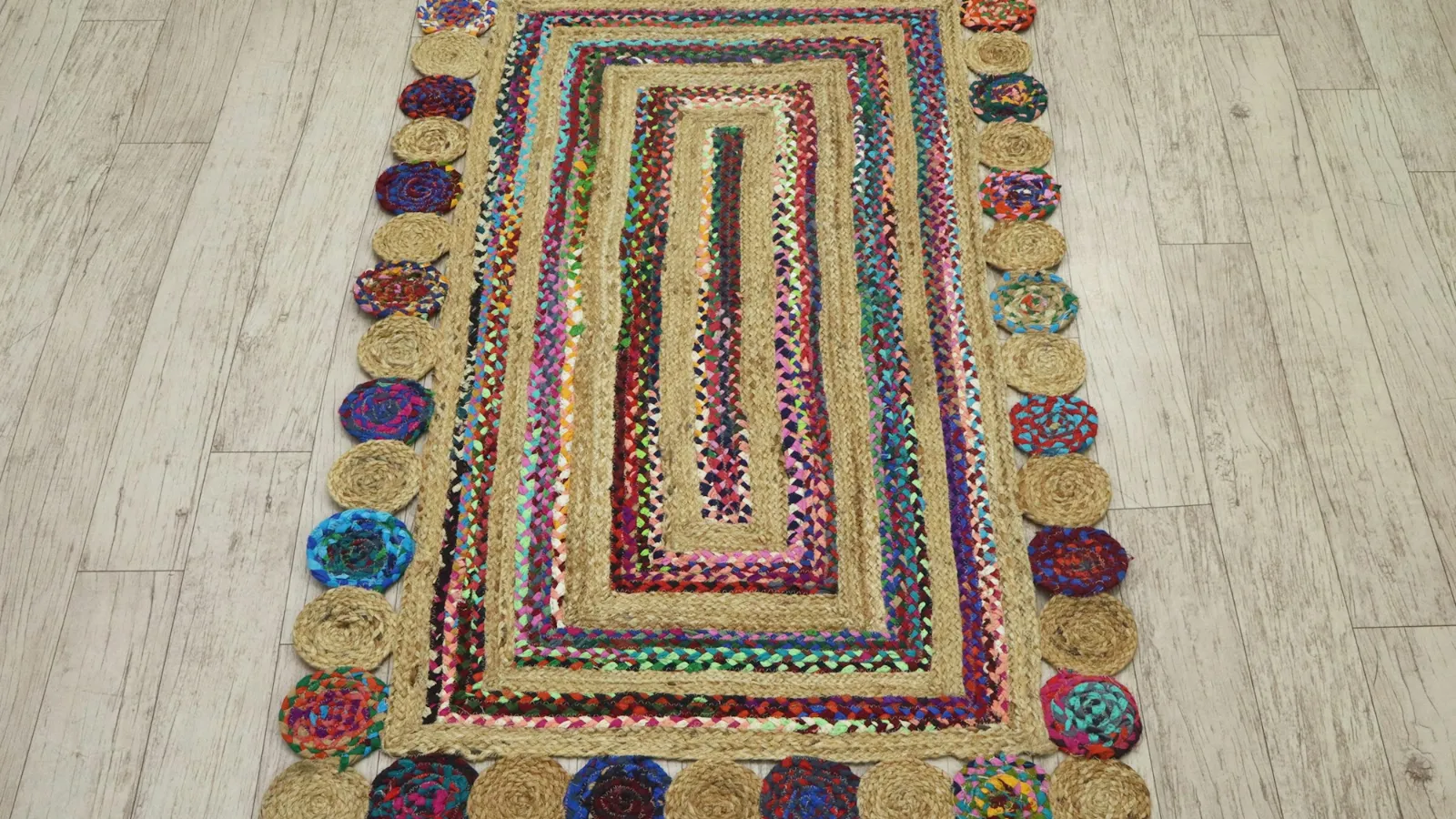
A removable runner is one you can take up without damaging the stairs and, ideally, without damaging the runner. People want one for different reasons — renting, protecting good timber, a puppy in the house, a runner they want to wash — and the right fixing depends on which of those matters most. Be clear about the trade-off from the start: the easier a runner is to remove, the more often it will need checking to make sure it is still secure.
Removable fixing options compared
| Method | Marks left | Security | Good for |
|---|---|---|---|
| Staples into the crease | Tiny holes, hidden in the crease | High | Owners who may lift the runner one day |
| Tack strip in the crease | Small nail holes in the crease | High | Long-term fitting that can still be lifted |
| Carpet tape on each tread | Possible residue; can lift finishes | Moderate, falls over time | Short-term use on sealed treads |
| Individual stair treads (mats) | Depends on backing | Varies; check for slipping | Renters and pet owners |
Why staples are more removable than they sound
It surprises people, but a stapled runner is one of the easiest to remove cleanly. The staples sit in the crease where tread meets riser, hidden under the fold. When the runner comes up, the staples are pulled and the holes are so small that they are rarely noticed — and if the runner covered the crease, a new runner will cover them again. Adhesives, by contrast, can leave residue across the whole tread and pull up varnish or paint as they come away.
Using carpet tape safely
Double-sided carpet tape is the most common "no holes" fix, and the one to be most careful with. On a sealed, clean tread it can hold a light runner for a while, but stairs flex the runner at every step and tape loses grip over time, especially at the nosings. Use tape designed for carpet, test it on a hidden area to see whether it lifts the finish, and check the runner every couple of weeks. If it moves at all, refix it before anyone uses the stairs.
Individual treads as a removable alternative
Separate stair treads — mats that cover each step individually — can be lifted one at a time for cleaning, which makes them popular with renters and pet owners. They do not give the continuous look of a runner, and cheap ones can slide. If you choose them, pick treads with a firm non-slip backing and a nosing wrap. See stair treads vs runners for the comparison.
Washing and cleaning a removable runner
Being able to lift a runner does not always mean you can wash it. Check the label: some flat-woven cotton and synthetic runners can be washed, but most wool and natural-fibre runners should be cleaned in place or professionally, and many will shrink or distort if soaked. If washability is the main goal, choose the runner for that from the start — see washable stair runners.
Protecting the stairs underneath
Underlay pads protect the treads from grit as well as making the runner more comfortable. When you lift a runner after a few years you may find the exposed margins have faded or darkened differently from the covered centre — that is normal with timber and sunlight, and worth knowing before you plan to remove a runner and leave the stairs bare.
Renting: getting agreement first
Before fitting any runner in a rented home, ask the landlord and get the answer in writing. Many are happy for a runner to be stapled into the crease if you agree to remove it and fill any holes when you leave. That gives you a far safer staircase than tape. For more, see rental-friendly stair runners.
Taking a runner up without damage
- Remove rods and brackets first, if fitted.
- Start at the top and lift the runner out of each crease in turn.
- Pull staples with a staple lifter or pliers, working gently on old timber.
- Roll the runner pile-side in so the face is protected.
- Fill any visible holes with colour-matched wax filler.
Frequently asked questions
- Can a stair runner be removed without damage?
- Usually, yes. A runner stapled into the crease leaves only tiny holes hidden where tread meets riser, which can be filled. Adhesives are more likely to leave residue or lift the finish.
- Is carpet tape safe for a stair runner?
- Only for light or short-term use on clean, sealed treads. Tape loses grip as the runner flexes over the nosings, so check it every couple of weeks and refix anything that moves.
- Can I wash a removable stair runner?
- Only if the maker says it is washable. Many flat-woven cotton and synthetic runners can be washed; most wool and natural-fibre runners should be cleaned in place or professionally.
- What is the most removable option of all?
- Individual stair treads, which lift out one at a time. Choose treads with a firm non-slip backing and a nosing wrap so they cannot slide.
Related guides
 InstallationHow to Install a Stair RunnerWaterfall and Hollywood methods, staples versus rods, tools, sequence and quality checks.
 MaterialsStair Runner Materials ComparedWool, nylon, polypropylene, sisal and jute judged on stair-specific wear, comfort, cleaning and safety.
 CareCleaning and Caring for a Stair RunnerRoutine vacuuming, spill response by fibre type, slipping and fraying, and when to call a professional.