Buying
Stair Runner from a Carpet Roll
How a runner is cut from broadloom and bound — when it beats a ready-made runner, how much to order and what the edges need.
Written by the StairRunner.co editorial team · Updated 4 September 2026
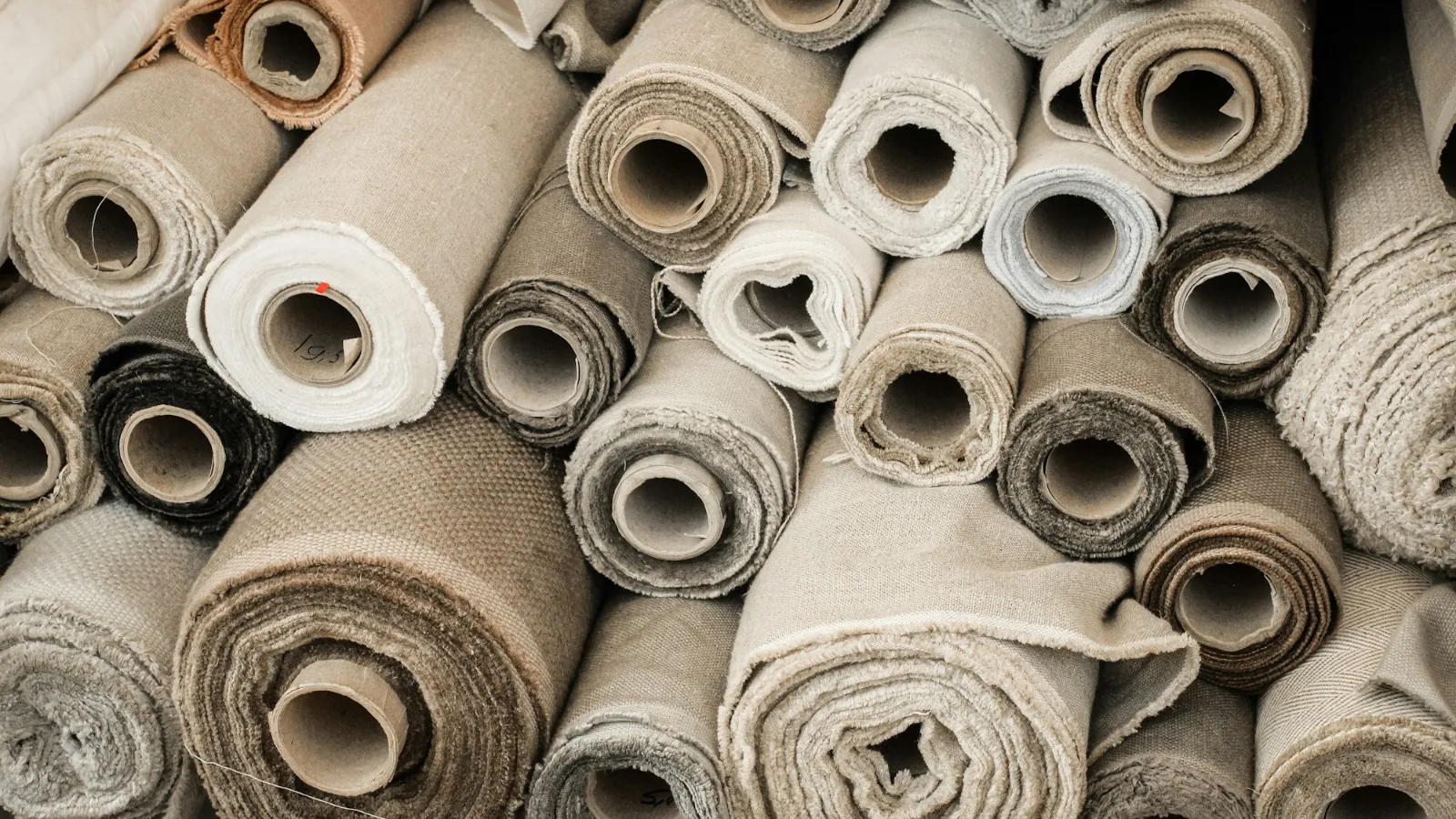
Broadloom is carpet sold off a wide roll, usually 4 m or 5 m (about 13 or 16 ft) wide. You can have a stair runner cut from it, with the long edges bound or whipped so they cannot fray. Done well, it gives you a far wider choice of colours and textures than ready-made runners, and lets the runner match a hallway or landing carpet exactly.
Ready-made runner vs runner cut from a roll
| Ready-made runner | Cut from broadloom | |
|---|---|---|
| Choice | Limited to runner ranges | Any carpet in the range |
| Width | Fixed standard widths | Any width you specify |
| Edges | Finished by the maker | Need binding or whipping |
| Matching other floors | Rarely exact | Can match a landing or hall carpet |
| Cost | Pay per length | Carpet plus binding; offcut value |
How many runners one cut gives you
The runner is cut along the length of the roll, so a single length of broadloom can be cut into several strips side by side. For example, a 4 m wide piece will give four strips about 27 in (69 cm) wide with a little left over for trimming. That makes broadloom good value when you need runners for two flights, or a runner plus matching landing carpet. Ask the supplier to plan the cut so the strips run the same way as the pile.
Working out the length to order
Measure your stairs as you would for any runner — tread, riser and nosing wrap per step, times the number of risers, plus landings and waste — using the calculator. Order that length off the roll. Because carpet is sold in the full roll width, the cost is the length times the roll width, even though you only use a strip.
Binding, whipping and taping edges
- Binding: a fabric tape (cotton, linen, leather-look or a contrasting colour) stitched along each edge. Gives a crisp, tailored border.
- Whipping (serging): yarn wrapped tightly over the cut edge. Discreet and closer to the look of a ready-made runner.
- Taped or sealed edges: the cheapest option and the least durable on stairs.
The binding colour has a big effect on the finished look. A matching binding disappears; a contrasting one frames the runner and can make the nosing line easier to see. See bordered stair runners for ideas.
Choosing a carpet that works as a runner
Not every room carpet suits stairs. Look for a dense, low pile and a carpet rated for heavy or stair use. Avoid deep plush or shaggy piles, which flatten on the nosings and can be slippery. Fold a sample over a table edge: if the backing shows through (called "grinning"), it will show on every nosing.
Pile direction and pattern
Every carpet has a pile direction. On stairs, the pile should run down the flight so it wears evenly and the colour looks the same from the bottom. If the broadloom is patterned, check the repeat and ask how the strips will be cut so the pattern sits centrally on the runner.
Using the offcuts
The leftover width is not waste. It can be bound into a doormat or hall rug, kept for future repairs, or used to carpet a landing. Keeping a strip from the same dye lot is the best insurance you can have against future damage.
Who does the binding
Many carpet shops cut and bind broadloom runners in-house or through a specialist binder. Ask for the price of the binding per metre or foot alongside the carpet price, and confirm the finished width after binding.
Frequently asked questions
- Can any carpet be made into a stair runner?
- It is best to choose a carpet rated for stairs or heavy use, with a dense, low pile. Deep plush or shaggy piles flatten on the nosings and can be slippery.
- Is a runner cut from a roll cheaper?
- It can be, especially if one cut gives you two runners or matching landing carpet. Remember to add the cost of binding, and that you pay for the full roll width.
- What is the difference between binding and whipping?
- Binding is a fabric tape stitched along the edge, giving a visible border. Whipping (serging) wraps yarn over the cut edge for a more discreet finish.
- Which way should the pile run on the stairs?
- Down the flight, so the runner wears evenly and the colour looks consistent from the bottom of the stairs.
Related guides
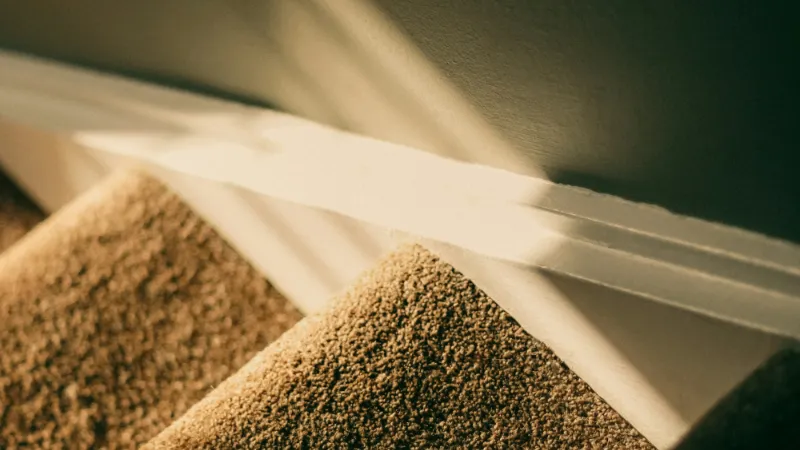 InstallationHow to Install a Stair RunnerWaterfall and Hollywood methods, staples versus rods, tools, sequence and quality checks.
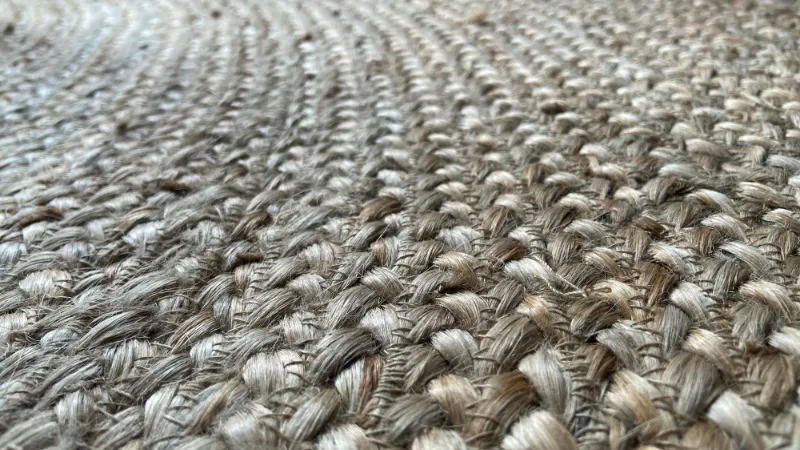 MaterialsStair Runner Materials ComparedWool, nylon, polypropylene, sisal and jute judged on stair-specific wear, comfort, cleaning and safety.
 CareCleaning and Caring for a Stair RunnerRoutine vacuuming, spill response by fibre type, slipping and fraying, and when to call a professional.