Style
Black and white stair runners: a buying guide
Black and white is one of the most versatile palettes for a staircase, moving comfortably between period and contemporary hallways, but the strong contrast means pattern scale, fibre and maintenance all need more thought than a single-colour runner.
Written by the StairRunner.co editorial team · Updated 4 September 2026
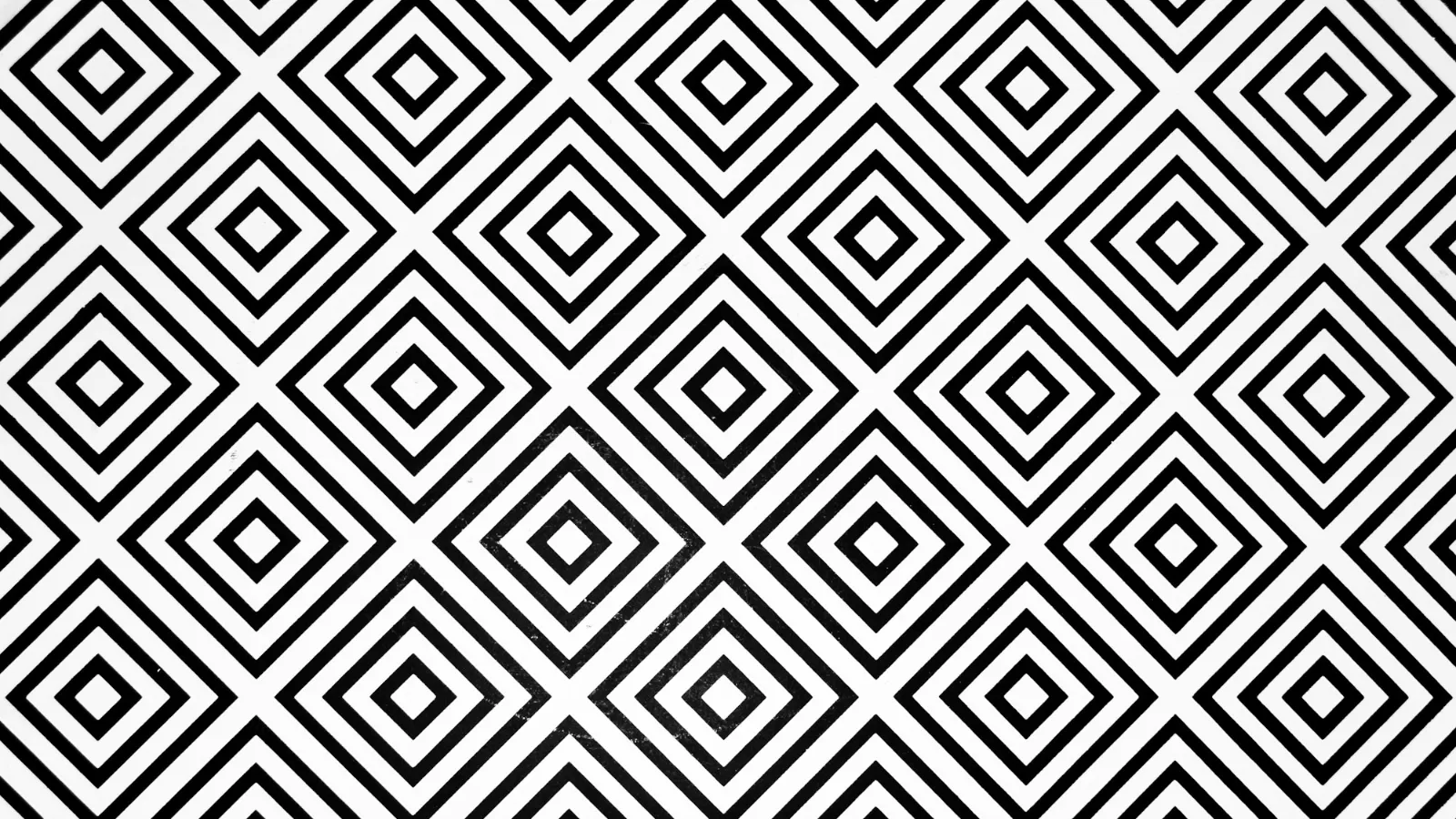
Black and white is the most graphic pairing you can put on a staircase. It suits everything from Victorian tiled hallways to stark modern stairs, and the deciding factors are scale, balance and how much contrast the space can take.
Pattern families in black and white
| Pattern | Character | Suits |
|---|---|---|
| Stripes | Crisp, directional | Narrow halls, coastal and modern schemes |
| Geometric | Bold, graphic | Art deco and contemporary homes |
| Zebra or animal print | Playful, maximalist | Eclectic interiors |
| Small check or houndstooth | Tailored, traditional | Period homes |
Mostly black or mostly white?
The balance of the two colours changes the effect. A mostly white runner brightens a dark stairwell; a mostly black runner grounds a bright, white space. On busy stairs, more black means less visible soil, though black shows lint and dust.
Getting the scale right
Large, simple patterns look confident and calm. Small, dense patterns can shimmer and feel busy, especially in a narrow hall. Hold a sample at the bottom of the stairs and look up: the pattern should read as one design, not a buzz.
Fitting a patterned runner
Stripes and geometrics must line up from step to step, so the fitter may cut and join at the crease to keep the pattern aligned. Allow extra length for the pattern repeat — see patterned runners.
Keeping the white white
Solution-dyed fibres keep the white crisp and the black deep through regular cleaning, and avoid the risk of black dye bleeding into the white when wet. Blot spills fast and avoid over-wetting.
Safety
Strong patterns can make step edges harder to judge, especially for older people. Choose patterns that keep the nosing clear — a stripe running up the stairs is easier to read than a busy geometric.
Frequently asked questions
- Does a black and white runner show dirt more than a coloured one?
- White or pale sections show soiling and dust faster than a mid-tone would, but black sections hide it less than people expect, since dust and pet hair show clearly against a very dark ground. The contrast itself, not either colour alone, is what needs managing with regular vacuuming.
- Will a bold black and white pattern make my hallway feel busy?
- It depends on the scale of the pattern and what surrounds it. A large, simple geometric reads as graphic and confident; a small, dense repeat can feel busier, especially in a narrow hallway. Keeping the walls and any adjacent flooring plain gives the pattern room to work without competing for attention.
- Is black and white a period or contemporary look?
- Both. Bold geometric black and white patterns have a long history in Victorian and Edwardian hallways, often alongside tiled floors, while the same palette in a cleaner stripe or chevron reads as distinctly contemporary. The pattern style, not the palette, decides which era it evokes.
- What fibre holds a crisp white best on stairs?
- Solution-dyed synthetics resist the yellowing that can affect some undyed natural fibres over time and clean more predictably. Wool can also work well but needs more careful attention to spot cleaning, since a very pale wool section will show marks that a synthetic of the same colour sheds more easily.
- Should the border match the black or the white in the pattern?
- Either can work, but a black border tends to ground a busy black and white pattern and disguise fitting cuts more forgivingly, while a white or cream border feels lighter and works well where the surrounding treads and skirting are also pale.
- Can I use a black and white runner on a narrow, dark staircase?
- Yes, but choose the balance of black to white carefully. A pattern that is mostly white with black detailing will help a dark stairwell feel brighter, while a pattern that is mostly black will deepen the existing darkness rather than lifting it.
Related guides
 DesignStriped Stair RunnersStripe direction, repeat matching, widening and narrowing effects, and the fitting challenges stripes create.
 DesignBordered Stair Runners: Design & Fitting GuideA complete guide to bordered stair runners, covering whipped vs taped edges, width ratios, winder mitring, and how to choose the right contrast for your hallway.
 DesignGeometric Stair Runners: A Buying GuideHow to choose a geometric stair runner, from scale and repeat to colour, fibre and fitting, so the pattern reads correctly on real treads and risers.
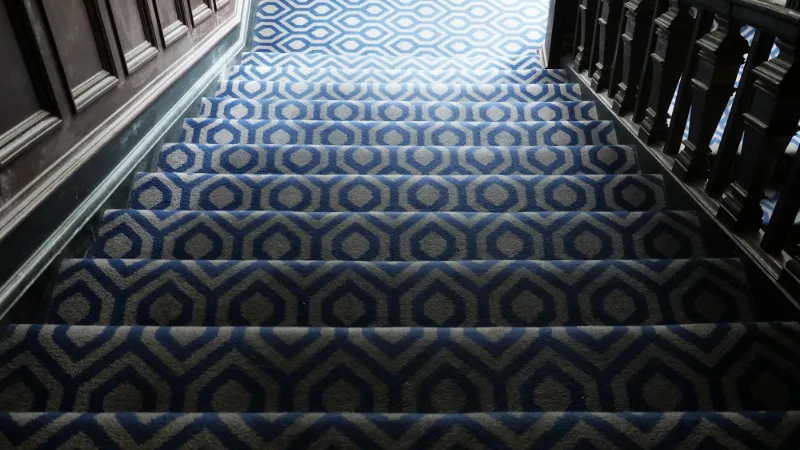 DesignPatterned Stair Runners: Style & Fitting GuideA comprehensive guide to patterned stair runners. Learn about scale, pattern matching on winders, and how to balance bold designs with your hallway decor.