Style
Geometric stair runners: a buying guide
A repeating geometric pattern can turn a plain staircase into the most confident feature in a hallway, but only if the scale, colour and fitting are all thought through together.
Written by the StairRunner.co editorial team · Updated 4 September 2026
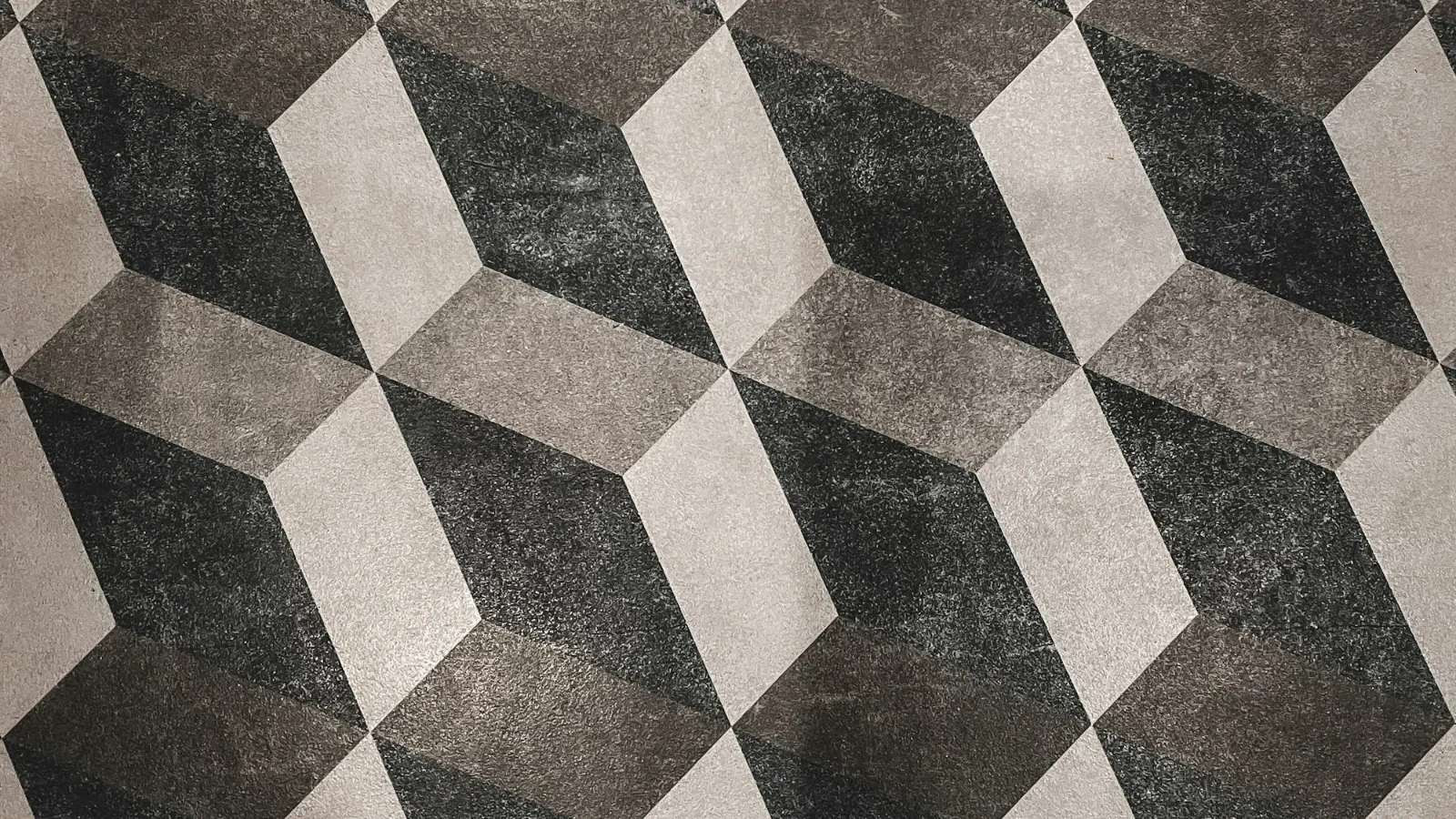
Geometric runners — diamonds, hexagons, lattices, circles and grids — bring structure and character to a staircase. They range from subtle tonal trellises to bold art deco designs.
Geometric families
| Pattern | Character | Suits |
|---|---|---|
| Diamond or trellis | Classic, orderly | Period and transitional homes |
| Hexagon or honeycomb | Modern, graphic | Contemporary schemes |
| Art deco fan or step | Glamorous | 1920s–30s houses |
| Grid or check | Structured, tailored | Modern and Scandinavian homes |
Scale on a staircase
Each step shows only a short length of runner, so a large repeat can be cut off awkwardly on every tread. Medium and small repeats usually read best. Look at a sample on an actual step, not flat on the floor.
Pattern matching
Geometrics look best when the motif sits in the same place on every tread. That may mean cutting and rejoining at each crease, which uses more material. Ask for the repeat length and add it to your waste allowance — see patterned runners.
Safety and contrast
Busy, high-contrast geometrics can confuse the eye on stairs. On steep stairs or in homes with older people, choose a tonal or lower-contrast design and keep the nosing well defined.
Styling
- Keep walls plain and let the runner be the pattern.
- Pick one colour from the runner for the walls or woodwork.
- Black, brass or nickel hardware depending on the era of the design.
Frequently asked questions
- Do geometric stair runners suit narrow staircases?
- Yes, provided the scale of the repeat is kept modest. A small, tightly spaced motif reads clearly on a narrow tread, whereas a large-scale pattern designed for a wide flight can look cramped or get cut awkwardly at the runner's edge.
- Will a geometric pattern hide dirt better than a plain runner?
- Generally, yes. A busy, multi-tonal repeat breaks up the eye's ability to spot individual specks of soiling in the way a flat solid colour cannot. This is one of the practical reasons pattern is so common on stairs, quite apart from its decorative appeal.
- How much extra carpet do I need to allow for pattern matching?
- Ask your supplier for a pattern repeat measurement before ordering. Geometric designs with a clear, regular repeat usually need a modest allowance above the flight's straight-line length so that the motif can be centred and matched consistently at winders and turns.
- Can a geometric runner go around a turn or winders?
- It can, but the pattern will not wrap the corner seamlessly the way a plain or subtly textured runner does. Expect the motif to break or shift slightly at a winder, and discuss this with your fitter before ordering so there are no surprises on the day.
- Is a geometric runner harder to fit than a plain one?
- It takes more care rather than more skill. The fitter has to keep the pattern centred and level tread by tread, which means slightly more time spent checking alignment as the work progresses, particularly on a flight with any turn.
- What colours work best for a geometric stair runner?
- Two or three tones that sit close together in depth tend to age better than a high-contrast pairing, which can dominate a hallway. A repeat built from tones already present in your hall or landing decor will integrate the stairs rather than making them a stand-alone feature.
Related guides
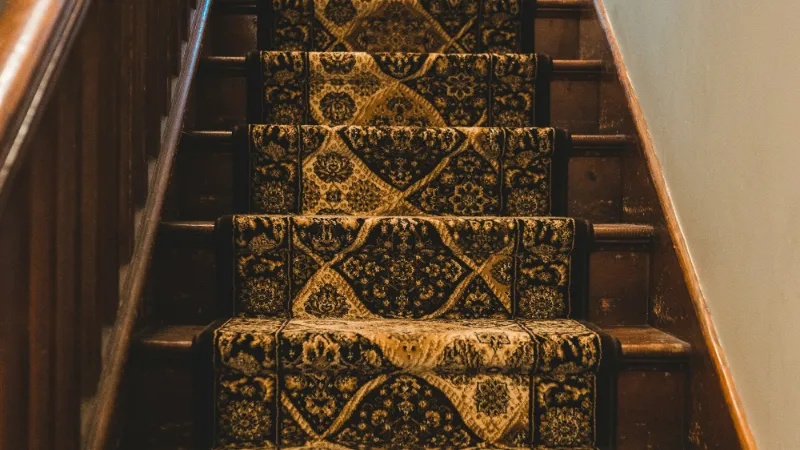 DesignStair Runner Patterns ExplainedHerringbone, chevron, stripes, plaid, geometrics and animal prints judged by how they behave on a staircase.
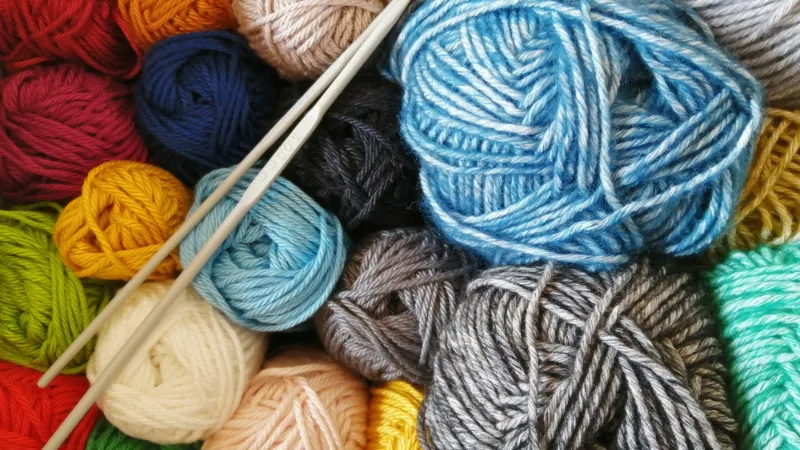 DesignChoosing a Stair Runner ColourHow light, adjacent flooring, trim colour, traffic and dirt should drive the colour decision.
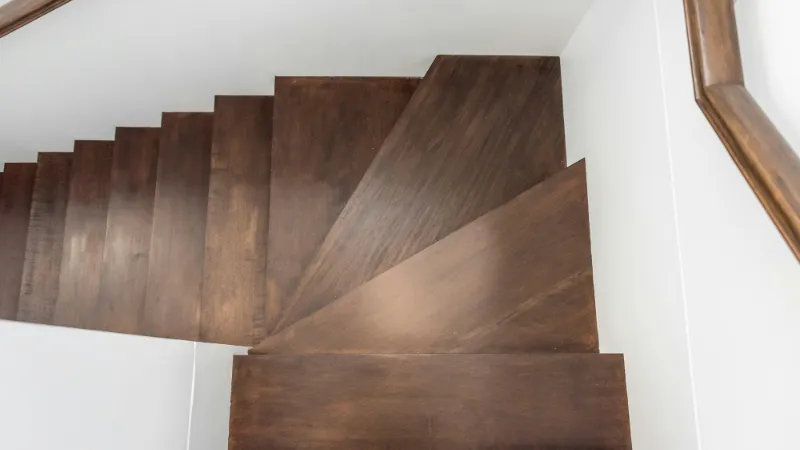 MeasurementRunners on Winder, Curved and Open StairsMeasuring and fitting where treads are not rectangles: winders, pie steps, curves and open-sided flights.
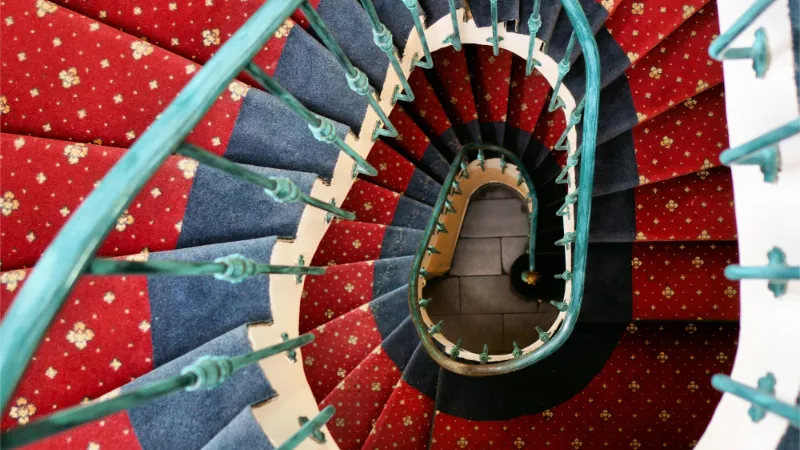 DesignBold Stair Runner Ideas & Design AdviceHow to use bold patterns, vibrant colours, and maximalist designs on your stairs. Learn about pattern scale, colour psychology, and architectural balance.
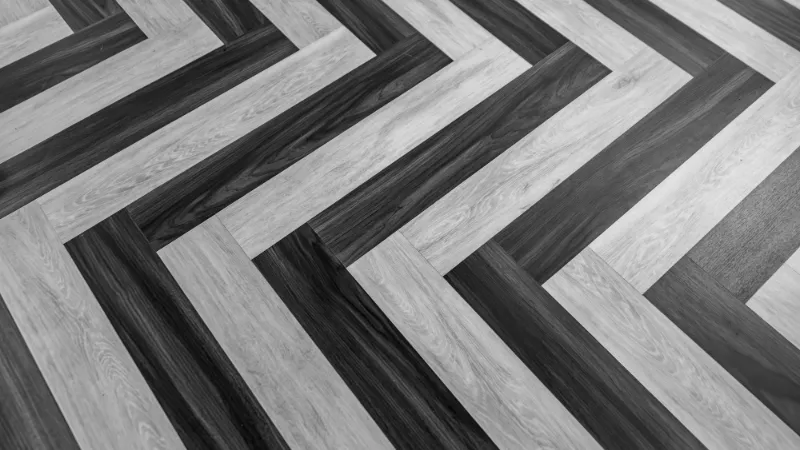 DesignChevron Stair Runner Ideas & Fitting GuideMaster chevron patterns on stairs: how to align points, manage winders, choose scale, and ensure a seamless look from top to bottom.
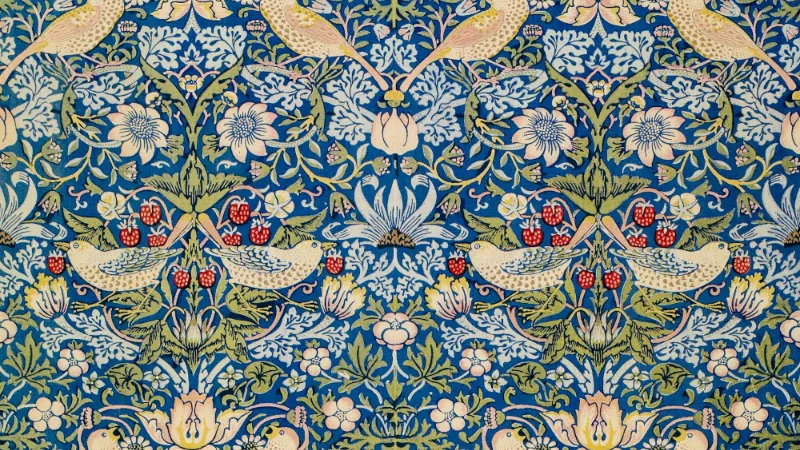 DesignFloral Stair Runners: A Buying GuideChoosing a floral stair runner: scale, colour, fibre and how period style, planting motifs and repeat size combine on a real staircase.