Style
Floral stair runners: a buying guide
A well-chosen floral runner brings warmth and character to a staircase in a way few other patterns can, but scale, colour depth and construction all need to be right for it to work.
Written by the StairRunner.co editorial team · Updated 4 September 2026
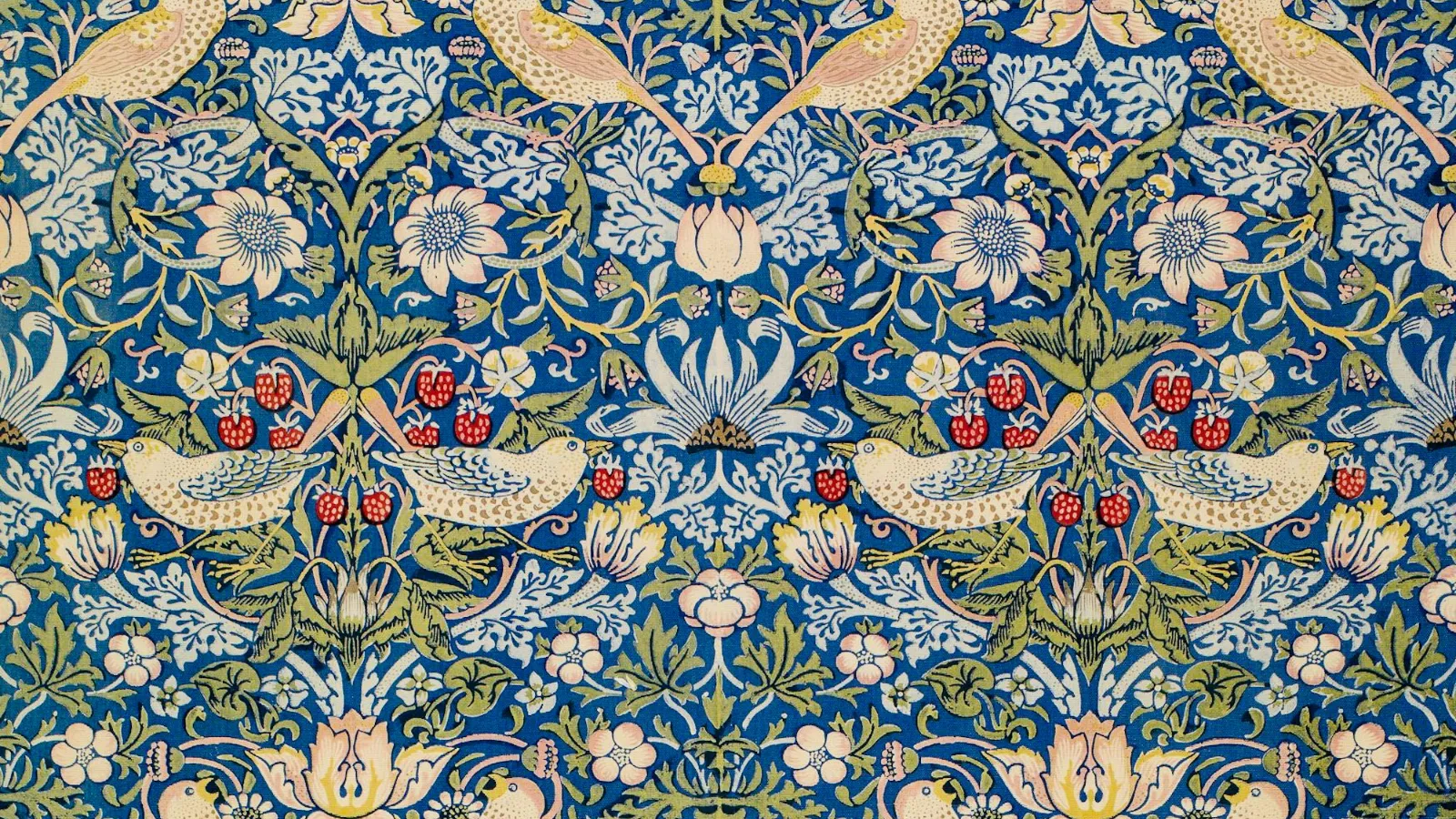
Floral runners range from traditional Arts and Crafts designs to bold modern botanicals. On a staircase they soften hard lines, bring colour and character, and are very good at hiding wear.
Floral styles
| Style | Look | Suits |
|---|---|---|
| Arts and Crafts | Dense, stylised flowers and leaves | Victorian and Edwardian homes |
| Small ditsy floral | Light, cottage-like | Cottages and country homes |
| Large modern botanical | Bold, contemporary | Wide stairs, plain halls |
| Traditional oriental floral | Rich and formal | Period homes with dark wood |
Why florals are practical
The many colours and shapes in a floral design break up the surface, so soil, small stains and wear on the nosings are much less visible than on a plain runner.
Scale and direction
Many florals have a top and bottom. Decide which way the design should face — usually so it reads the right way up as you climb — and fit the whole runner consistently. Large florals can be cut off awkwardly on each step, so check a sample on a tread.
Styling a floral runner
- Pick wall colours from the background or leaves of the design.
- Keep other patterns in the hall small or absent.
- Brass rods suit traditional florals; black suits modern botanicals.
Fibres
Wool shows printed and woven florals with depth and wears well. Woven Axminster and Wilton constructions are traditional for detailed designs. See Axminster runners.
Frequently asked questions
- Are floral stair runners only suitable for period houses?
- No, though they are especially at home there. A small-scale, tonal floral in muted colours can suit a contemporary hallway too, particularly where the rest of the decor is kept simple enough for the pattern to stand out without competing.
- Will a large floral pattern look too busy on a narrow stair?
- It can. Large-scale florals are designed to be seen across a reasonable distance and can feel cramped when confined to a runner roughly 60 to 90 centimetres wide. A smaller, denser floral repeat generally suits a narrow flight better.
- Do floral runners show dirt more than plain carpets?
- Usually the opposite. A multi-tonal floral repeat, especially one with some depth and shading in the design, disguises everyday soiling and light staining considerably better than a plain solid colour, which is one practical reason pattern has remained popular on stairs.
- Can a floral runner be matched to existing curtains or upholstery?
- It can work well as a coordinating element, but avoid choosing a runner purely to match one fabric exactly. A floral that shares a colour family with your existing furnishings, without being an identical print, tends to look more considered and ages better as other pieces are replaced.
- How does a floral pattern behave around a turn or winders?
- Like any repeating pattern, a floral motif will not wrap a corner without some visible break or shift. Discuss this with your fitter before cutting so the break falls in the least conspicuous position on the turn.
- Is wool or synthetic better for a floral design?
- Both can carry a floral pattern well, but the method matters more than the fibre. A woven floral, where colour is built into the construction, tends to hold its definition longer than a printed floral sitting on the surface of a plain base carpet.
Related guides
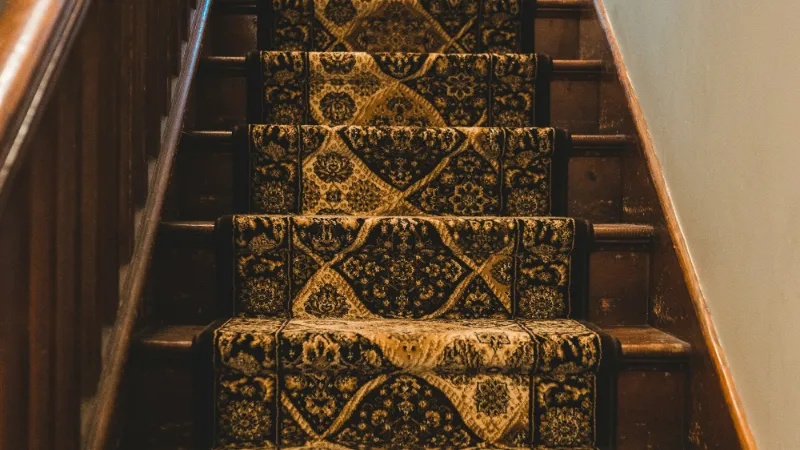 DesignStair Runner Patterns ExplainedHerringbone, chevron, stripes, plaid, geometrics and animal prints judged by how they behave on a staircase.
 DesignChoosing a Stair Runner ColourHow light, adjacent flooring, trim colour, traffic and dirt should drive the colour decision.
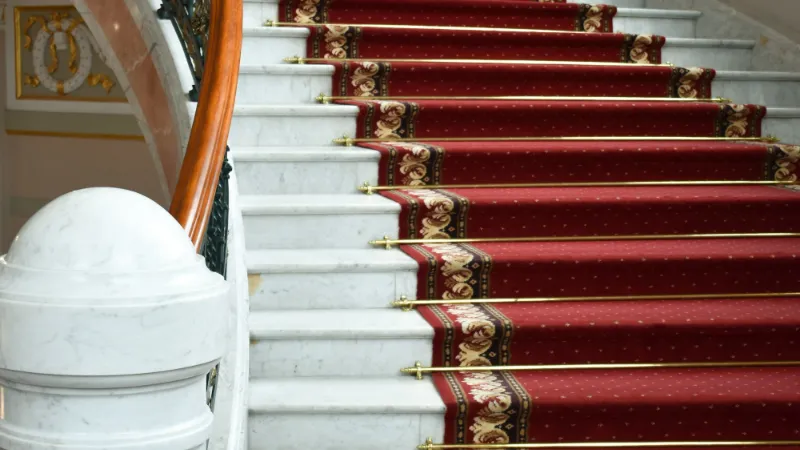 DesignBordered Stair Runners: Design & Fitting GuideA complete guide to bordered stair runners, covering whipped vs taped edges, width ratios, winder mitring, and how to choose the right contrast for your hallway.
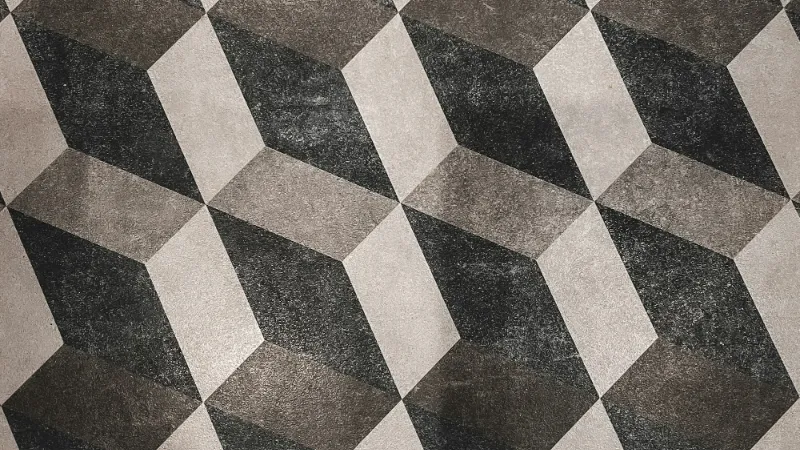 DesignGeometric Stair Runners: A Buying GuideHow to choose a geometric stair runner, from scale and repeat to colour, fibre and fitting, so the pattern reads correctly on real treads and risers.
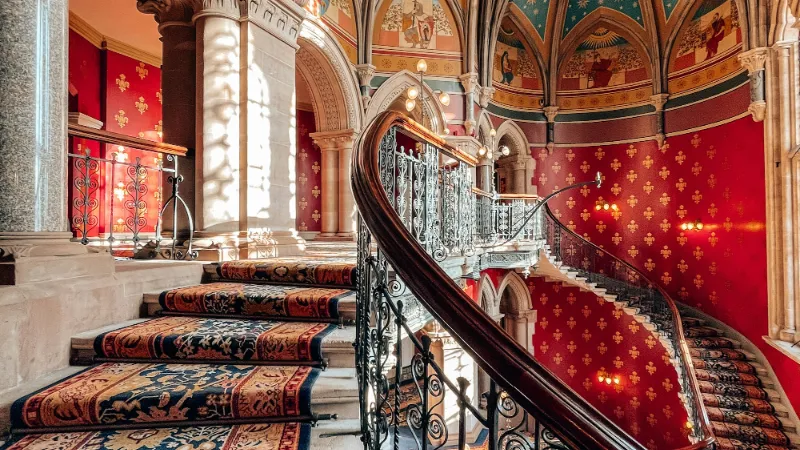 DesignTraditional Stair RunnersA comprehensive guide to traditional stair runners. Explore classic patterns, materials like wool and sisal, and how to create a timeless look for your hallway.
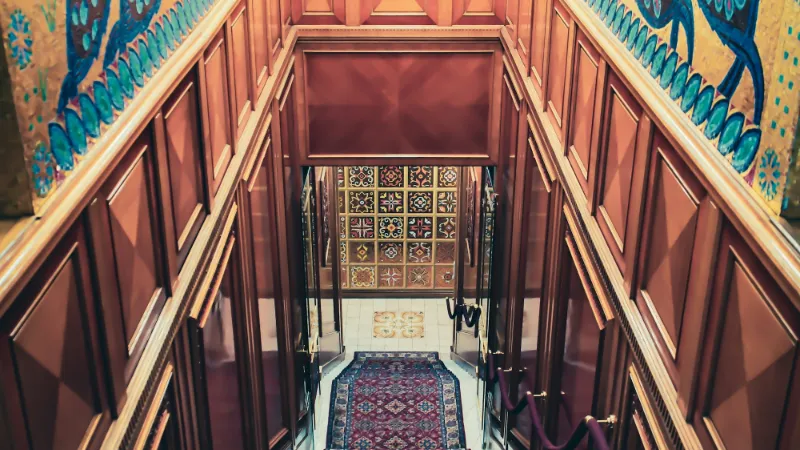 DesignVictorian Stair RunnersA detailed guide to Victorian stair runners. Learn about authentic patterns, historical colour palettes, and how to achieve a formal period look on your staircase.