Pattern
Chevron stair runner ideas and fitting guide
The chevron is the architectural backbone of pattern—a precise, directional choice that can elongate a flight or distract from awkward turns, provided the alignment is perfect.
Written by the StairRunner.co editorial team · Updated 4 September 2026
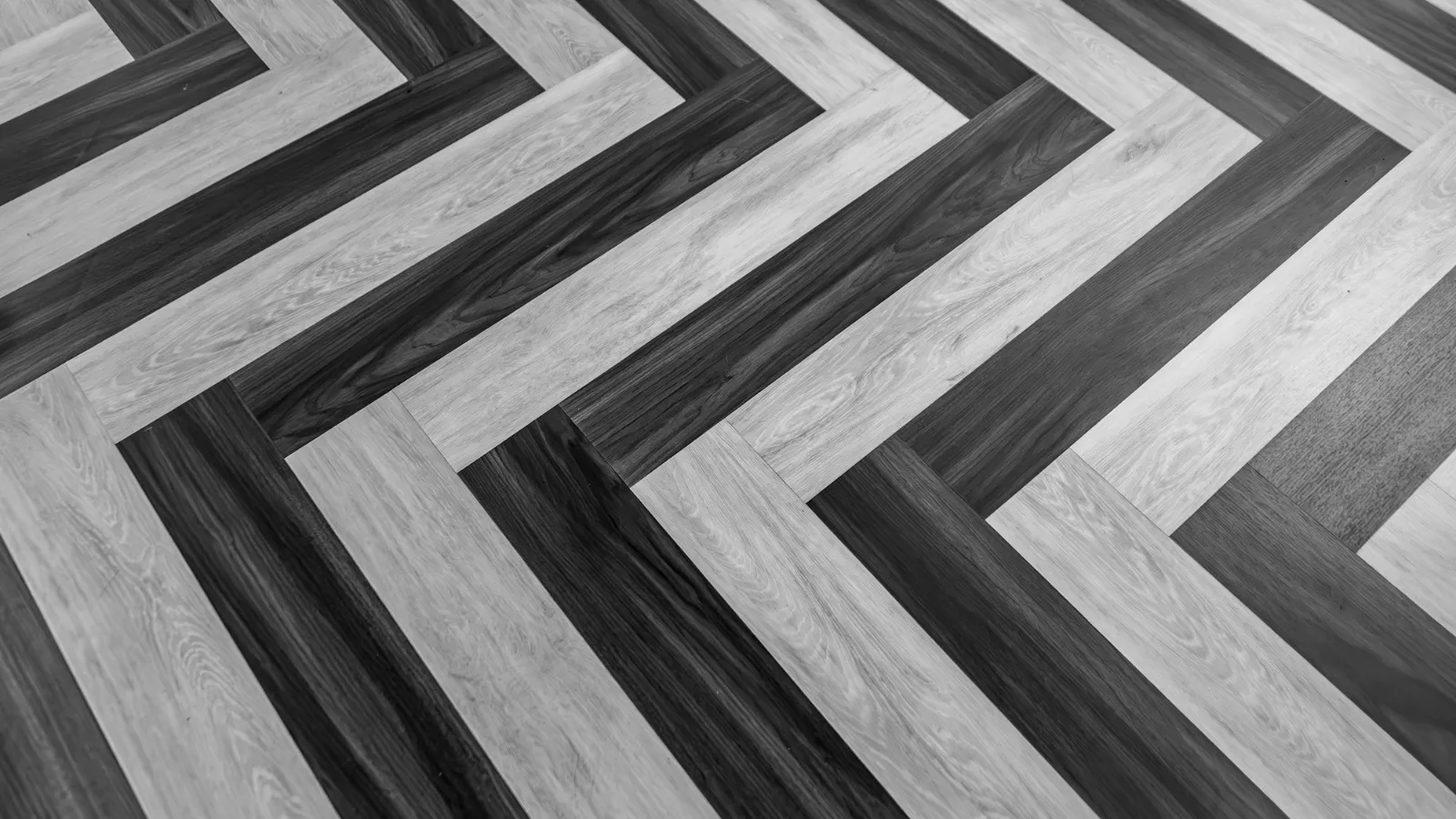
Chevron is a sharp zigzag pattern of V shapes. On stairs it is dynamic and graphic, pointing the eye up the flight. It is bolder than herringbone and suits modern and mid-century homes.
Chevron vs herringbone
Chevron points meet cleanly in a V; herringbone points are stepped. Chevron reads as a strong pattern, herringbone as a texture. See herringbone runners.
Scale and colour
| Choice | Effect |
|---|---|
| Large chevron, high contrast | Bold, graphic, best on wide stairs |
| Small chevron, low contrast | Textured and calm |
| Multi-coloured chevron | Playful, suits plain halls |
| Tonal chevron | Subtle, modern |
Direction and alignment
Chevrons should point up the stairs and stay centred on every step. Because the pattern is strong, any drift is obvious, so mark the centre line on each tread. Allow for the pattern repeat in your length if the runner needs to be cut and rejoined.
Safety
High-contrast zigzags can make it harder to judge where the step edge falls, especially for people with poor eyesight. On steep stairs, choose a smaller or lower-contrast chevron, or a runner with a plain border that defines the edge.
Where it works
- Mid-century and modern homes.
- Plain halls that need a focal point.
- With simple walls and hardware so the pattern can lead.
Frequently asked questions
- Is chevron different from herringbone?
- Yes. In a chevron pattern, the ends of the stripes are cut at an angle so they meet at a point, creating a continuous V-shape. Herringbone uses rectangular pieces that butt up against each other, creating a broken zigzag. Chevrons are generally cleaner and more directional on a staircase.
- How do you align chevron points on stairs?
- The point of the 'V' should ideally sit exactly in the centre of each tread. A skilled fitter will align the pattern so it runs straight down the centre of the flight, ensuring the points meet consistently at every nosing for a symmetrical look.
- Do chevron patterns work on winder stairs?
- They are challenging. Because winders are triangular, a straight chevron pattern will appear to skew as it turns the corner. You can either allow the pattern to drift, or use a 'mitred' join where the pattern is cut and angled to follow the turn, though this requires more material.
- What scale of chevron is best for a narrow staircase?
- A smaller, tighter chevron repeat can make a narrow staircase feel wider by drawing the eye across the width. Large, bold chevrons can overwhelm a small space and make errors in alignment much more obvious.
- Will a chevron runner hide wear in the traffic lane?
- Moderately. The diagonal lines help to break up the visual 'path' that develops in the centre of the stairs, but very high-contrast chevrons (like black and white) will still show soiling and flattening more than a multi-tonal version.
Related guides
 MaterialsStair Runner Materials ComparedWool, nylon, polypropylene, sisal and jute judged on stair-specific wear, comfort, cleaning and safety.
 DesignStair Runner Patterns ExplainedHerringbone, chevron, stripes, plaid, geometrics and animal prints judged by how they behave on a staircase.
 MeasurementRunners on Winder, Curved and Open StairsMeasuring and fitting where treads are not rectangles: winders, pie steps, curves and open-sided flights.