Pattern
Plaid stair runner design and installation guide
Plaid offers a structured, heritage feel that bridges the gap between traditional comfort and modern geometry, requiring meticulous planning to maintain its grid across levels.
Written by the StairRunner.co editorial team · Updated 4 September 2026
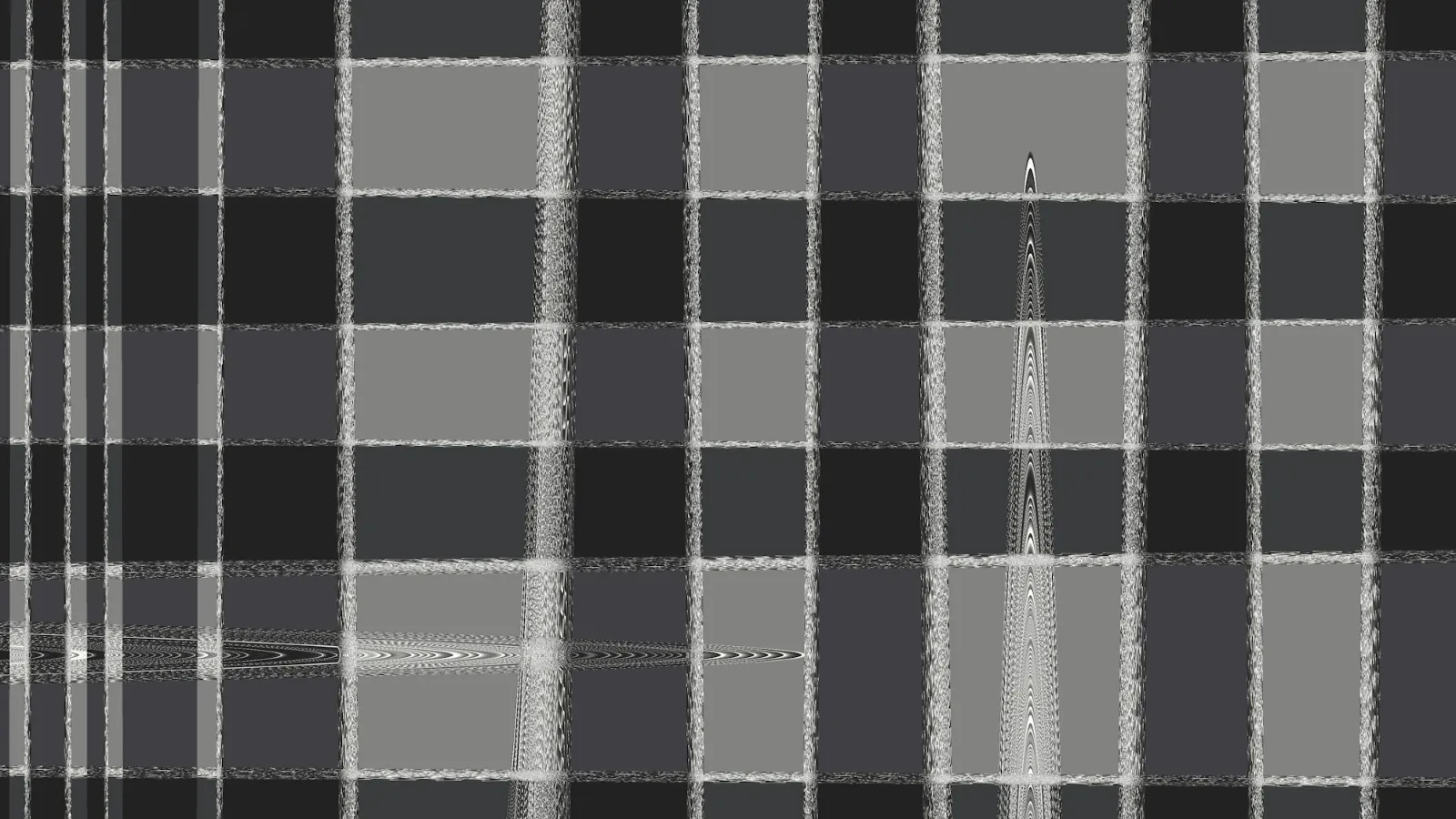
Plaid — a pattern of crossing bands of colour — brings warmth and a relaxed, tailored feel to a staircase. It suits country homes and cottages, and in grey or monochrome it can look sharp and modern.
Plaid vs tartan vs check
The words are often used interchangeably. Tartan usually refers to the traditional Scottish setts with specific colours; plaid is used more loosely for any crossing-band pattern; check usually means a simpler, regular grid. See tartan runners.
Plaid styles
| Style | Look | Suits |
|---|---|---|
| Grey or monochrome plaid | Modern, tailored | Contemporary and urban homes |
| Warm earthy plaid | Cosy, country | Cottages and farmhouses |
| Bold coloured plaid | Playful, statement | Plain halls |
Alignment
Plaid has lines running both along and across the runner. The lengthways lines must stay straight and centred; the crossways lines will fall differently on each step unless the runner is cut and rejoined at every crease. Many people accept the shifting crossways lines for a relaxed look; for a precise look, allow extra material for the repeat.
Practicality
The mix of colours and lines hides soil and wear very well, making plaid a practical choice for family homes.
Styling
- Pick one colour from the plaid for the walls.
- Keep other patterns small or plain.
- Antique brass or black hardware.
Frequently asked questions
- Is plaid the same as tartan?
- While they are related, plaid in a modern flooring context usually refers to a more regular, often two-tone grid or check pattern. Tartan specifically refers to the complex, multi-colored weaves associated with Scottish clans. Plaids tend to be more versatile and less formal than traditional tartans.
- How do you keep plaid lines straight on stairs?
- It requires a 'square' installation. The fitter must use a square tool to ensure the horizontal lines of the plaid are perfectly parallel to the nosing, and the vertical lines are perpendicular. Any slight twist in the carpet during stretching will make the grid look warped.
- Does plaid hide dirt well?
- Yes, exceptionally well. The intersection of different colored yarns in a plaid pattern creates a multi-tonal surface that masks both light dust and dark mud. It is one of the most practical choices for a busy family home.
- Can I use a plaid runner on a curved staircase?
- It is possible but extremely difficult to maintain the grid. On a curve, the inner lines of the grid will naturally want to bunch up. Most designers recommend using a plaid for straight runs and switching to a coordinating plain carpet for complex turns.
- What is the best material for a plaid stair runner?
- Wool is the traditional and most effective choice. The way wool takes dye allows for very crisp, clear lines in the plaid pattern, and the natural durability of the fibre ensures the grid doesn't distort easily over time.
Related guides
 DesignStair Runner Patterns ExplainedHerringbone, chevron, stripes, plaid, geometrics and animal prints judged by how they behave on a staircase.
 MaterialsWool Stair RunnersWhy wool holds its shape on stairs: crimp, twist, blends, staining, moths, shedding and honest limitations.
 DesignTartan Stair Runner Heritage and Style GuideDiscover the timeless appeal of tartan stair runners. Learn about pattern matching, durability, and how to choose the right tartan for your home.