Pattern
Tartan stair runner heritage and style guide
More than just a pattern, tartan brings a sense of permanence and warmth to a staircase, using complex color interplays to create a visual depth that masks wear and soiling.
Written by the StairRunner.co editorial team · Updated 4 September 2026
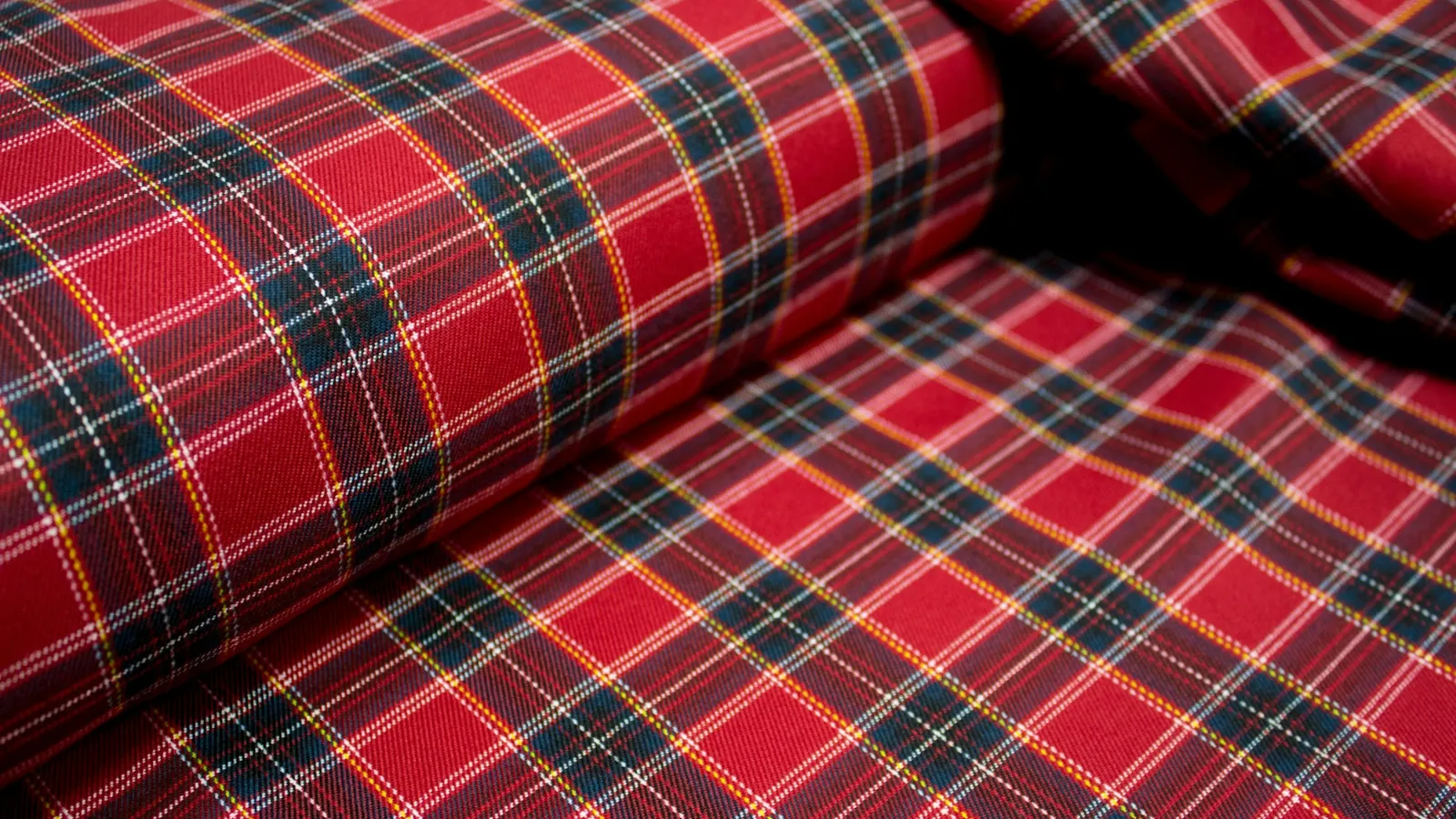
A tartan runner is one of the most recognisable stair looks there is, from Highland lodges to London townhouses. It brings warmth, heritage and colour, and is one of the most practical patterns for a busy staircase.
Choosing a tartan
| Type | Look |
|---|---|
| Red-based tartans | Classic, festive, traditional |
| Green and navy tartans | Deep, country-house |
| Muted or weathered tartans | Softer, easier to live with |
| Grey or monochrome tartans | Modern take on a traditional pattern |
Heritage
Many tartans are linked to particular Scottish families and regions, and some are registered. If the tartan matters to you, check its name with the supplier. For most homes, the choice is simply about colour and scale.
Scale and alignment
A large sett can be cut off awkwardly on each step. Medium scales usually read best. The lengthways lines must be centred; matching the crossways lines on every step requires cutting and rejoining at each crease, which uses more material.
Practicality
The mix of colours hides soil very well, which makes tartan a sensible choice for houses with children, dogs and muddy boots.
Styling
- Pair with dark timber and antique brass for a traditional look.
- Pick a wall colour from one of the darker threads.
- Keep other patterns in the hall minimal.
See also plaid runners.
Frequently asked questions
- Is tartan too busy for a small staircase?
- Not necessarily. While tartans are complex, they often use a 'tonal' palette that can feel more like a texture than a busy pattern. Choosing a smaller-scale tartan or one with a limited color palette (like Black Watch) can make it work perfectly on smaller flights.
- How do you match a tartan pattern on a landing?
- Matching tartan on a landing requires careful 'mitring' if the runner turns a corner, or ensuring the horizontal and vertical lines of the sett (the pattern repeat) align across the threshold. It often requires more material than a plain carpet to achieve a seamless look.
- Are tartan runners durable enough for high-traffic stairs?
- Yes, tartans are typically woven in high-quality wool or wool-blends, which are the most durable materials for stairs. The complex pattern also hides foot traffic and flattening better than almost any other design.
- Can I use tartan with a modern interior?
- Absolutely. Modern 'neutral' tartans in greys, beiges, and soft blues are very popular in contemporary homes. They provide a sense of 'groundedness' and quality that complements modern, clean lines.
- Do I need stair rods with a tartan runner?
- Stair rods are not functionally necessary, but they look exceptional with tartan. A dark bronze or antique brass rod complements the heritage feel of the pattern and adds a final layer of luxury to the flight.
Related guides
 DesignStair Runner Patterns ExplainedHerringbone, chevron, stripes, plaid, geometrics and animal prints judged by how they behave on a staircase.
 MaterialsWool Stair RunnersWhy wool holds its shape on stairs: crimp, twist, blends, staining, moths, shedding and honest limitations.
 DesignPlaid Stair Runner Design and Installation GuidePlaid offers a structured, heritage feel. Learn how to manage the grid on stairs, align pattern repeats, and choose the right scale for your home.