Specialty
Temporary Stair Runners
Covering stairs for weeks rather than years — during building work, for an event, while selling a home — and keeping them safe while you do.
Written by the StairRunner.co editorial team · Updated 4 September 2026
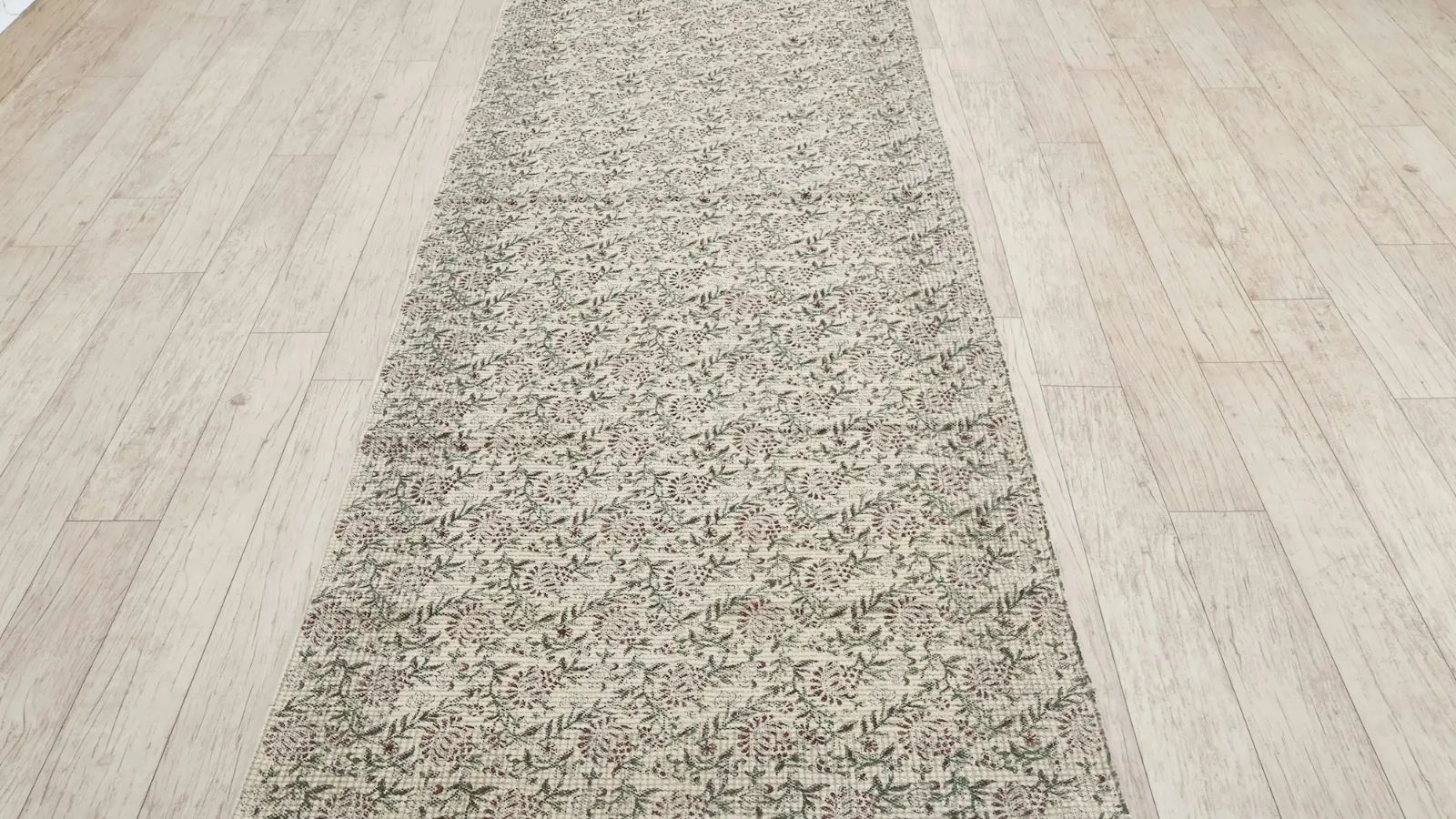
A temporary runner covers the stairs for weeks or months rather than years: during building work, while you sell a house, for a party or wedding, or while you decide on a permanent runner. Because temporary fixings are less secure, the main question is not how it looks but how to keep it safe for the time it is down.
Common reasons for a temporary runner
| Situation | What usually works |
|---|---|
| Building or decorating work | Purpose-made stair protection film or protective treads, not a decorative runner |
| Event or celebration | A flat-weave or event runner fixed into each crease, removed afterwards |
| Selling or staging a home | An inexpensive plain runner, lightly stapled into the crease |
| Trying a look before committing | Samples or a single length laid loose and taped for viewing only |
| Short-term rental | Individual non-slip treads that lift out |
Protecting stairs during building work
If the aim is to protect stairs from dust, paint and boots, use protection made for the job: self-adhesive stair film for carpeted stairs, or hard protective covers and treads for timber. A decorative runner laid over building work traps grit, gets damaged itself, and is often less secure than proper protection.
Event runners
For a wedding, party or photo shoot, a runner only needs to look right for a day, but people will be on the stairs in good shoes and in a hurry. Fix it into every crease with staples, even for one day, and make sure the top and bottom ends cannot lift. A loose event runner laid on stairs is a fall waiting to happen.
Staging a home for sale
A simple plain runner can make bare or tired stairs look finished in photographs and viewings. Choose a neutral colour, keep the margins even, and fix it properly — buyers will walk on it. Stapling into the crease leaves almost no mark, so the next owner can keep it or take it up.
Trying a runner before you buy
Before committing to a permanent runner, hold samples on a tread and against a riser at different times of day, and look at them from the bottom of the stairs. If you want to see a full length, lay it for viewing only and do not walk on it unless it is fixed. Our guide to stair runner samples covers what to look for.
Temporary fixings and their limits
- Staples in the crease: the most secure temporary option; tiny hidden holes.
- Carpet tape: fine for light use on sealed treads, but loses grip and can lift finishes.
- Non-slip underlay alone: not enough on stairs; the runner can still creep over the nosing.
- Rods alone: decorative only; they do not hold a runner.
Removing it afterwards
Lift the runner from the top, pull any staples, and remove tape slowly, warming stubborn residue gently rather than scraping. Test any residue remover on a hidden area first. For longer-term flexible options, see removable stair runners.
Frequently asked questions
- How do you fix a temporary stair runner?
- The safest way is to staple it into the crease of every step, which leaves only small hidden holes. Carpet tape is quicker but less secure and loses grip over time.
- Is a loose runner safe for a party or wedding?
- No. A runner laid loose on stairs can slide at the nosing. Fix it into every crease and secure both ends, even if it is only down for a day.
- What should I use to protect stairs during building work?
- Use stair protection film for carpet, or hard protective covers for timber treads. A decorative runner traps grit and is less secure.
- Will a temporary runner damage my stairs?
- Staples leave tiny holes in the crease. Tape can leave residue or lift paint and varnish, so test it on a hidden area first.
Related guides
 InstallationHow to Install a Stair RunnerWaterfall and Hollywood methods, staples versus rods, tools, sequence and quality checks.
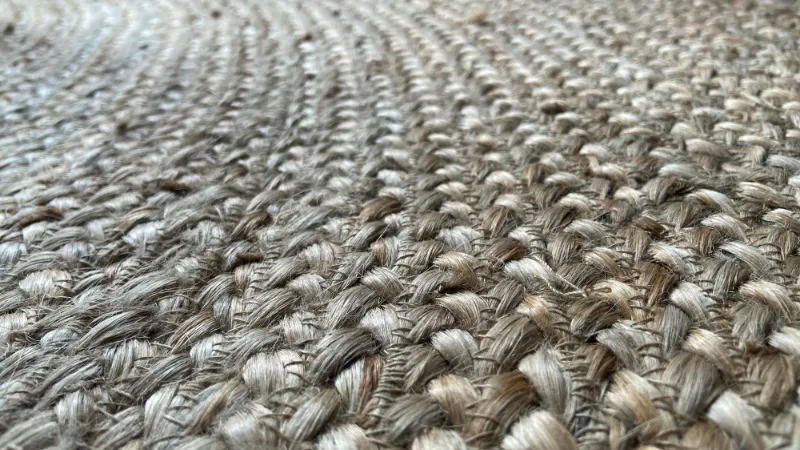 MaterialsStair Runner Materials ComparedWool, nylon, polypropylene, sisal and jute judged on stair-specific wear, comfort, cleaning and safety.
 CareCleaning and Caring for a Stair RunnerRoutine vacuuming, spill response by fibre type, slipping and fraying, and when to call a professional.