Patterns
Cheetah print stair runners
Cheetah print offers a cleaner, more rhythmic alternative to other animal motifs. Its simple solid spots provide a sophisticated energy that bridges the gap between traditional and contemporary stair design.
Written by the StairRunner.co editorial team · Updated 4 September 2026
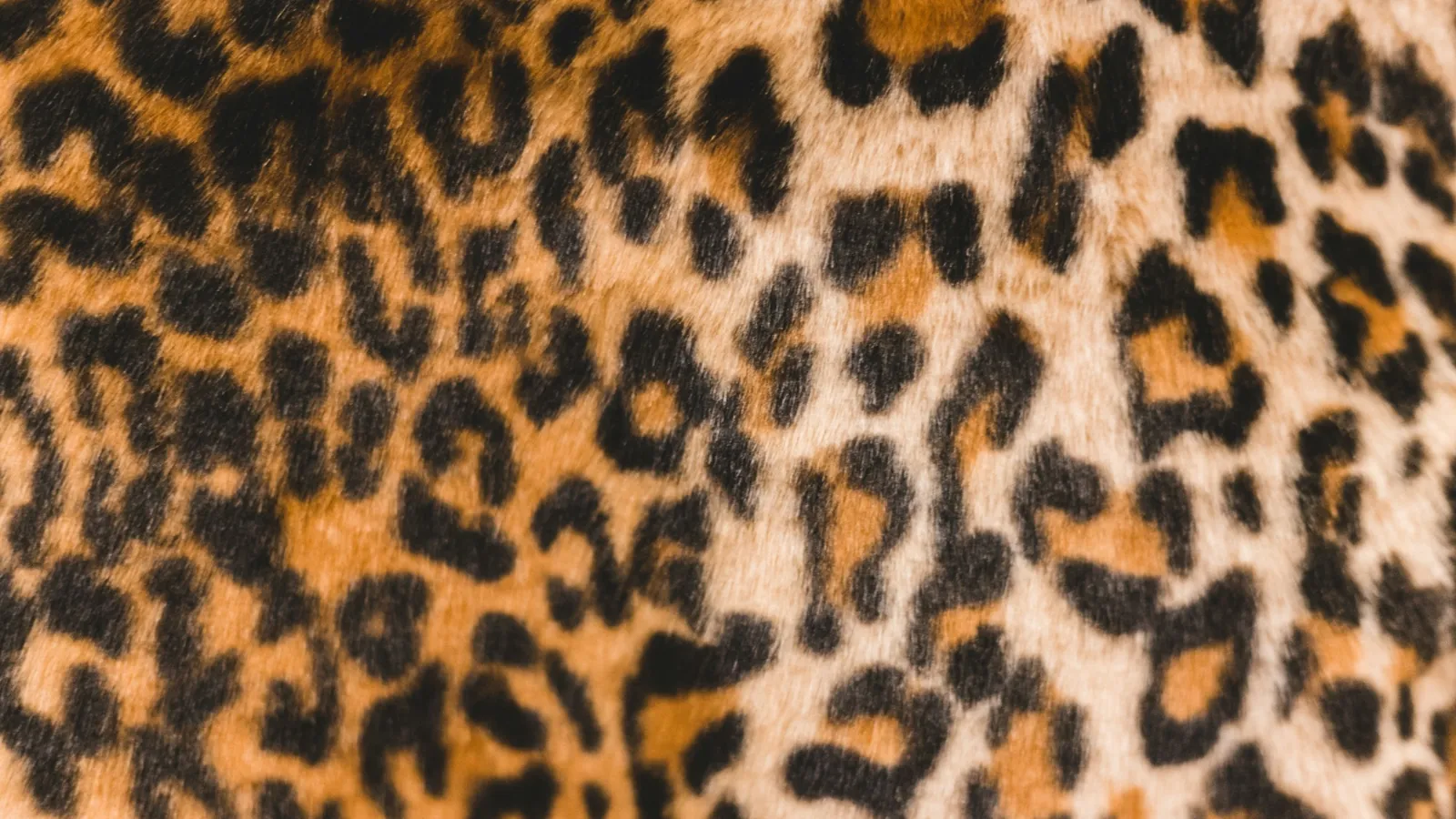
Cheetah print is often mistaken for leopard, but it is simpler: solid round spots rather than rosettes. That makes it lighter, cleaner and a little more modern on a staircase.
Cheetah vs leopard
| Cheetah | Leopard | |
|---|---|---|
| Markings | Solid spots | Rosettes (rings) |
| Effect | Lighter, simpler | Richer, busier |
| Suits | Modern, pared-back halls | Glamorous and period halls |
Living with cheetah print
Like other animal prints, cheetah needs no pattern matching from step to step and hides soil and wear well. A paler ground will show more dirt than a deep gold one, so match the ground colour to how busy the stairs are.
Styling
- White or pale painted stairs for a fresh look.
- Black stairs or balusters for drama.
- Simple walls; cheetah needs space.
- Black, bronze or brass hardware.
Scale and fibre
Medium spots read best on most stairs. Choose a dense wool or wool-blend pile for wear and grip.
Compare with leopard and other animal prints.
Frequently asked questions
- What is the difference between cheetah and leopard print on a runner?
- Cheetah print consists of simple, solid black spots on a tan ground, whereas leopard print features more complex 'rosettes' (spots with a lighter centre). Cheetah print tends to look more uniform and modern, while leopard is more textured and traditional.
- Is cheetah print practical for a busy hallway?
- Extremely. Like most animal prints, the 'broken' nature of the cheetah pattern is excellent at masking surface dirt, lint, and the flattening of fibres in the traffic lane.
- Does cheetah print make stairs look narrower?
- Usually the opposite. Small, dense spots create a sense of movement that can make a space feel more dynamic and open, though the border choice (or lack thereof) will have the biggest impact on perceived width.
- What fibre is best for a cheetah print?
- A high-twist wool or a dense nylon works best. Because cheetah print relies on crisp, distinct spots, you want a fibre that doesn't 'bloom' or blur too much under foot traffic.
- Can I use cheetah print with other patterns?
- Yes, cheetah print is often treated as a 'neutral'. It pairs well with stripes or large-scale florals, provided you maintain a consistent colour palette across the space.
Related guides
 CareCleaning and Caring for a Stair RunnerRoutine vacuuming, spill response by fibre type, slipping and fraying, and when to call a professional.
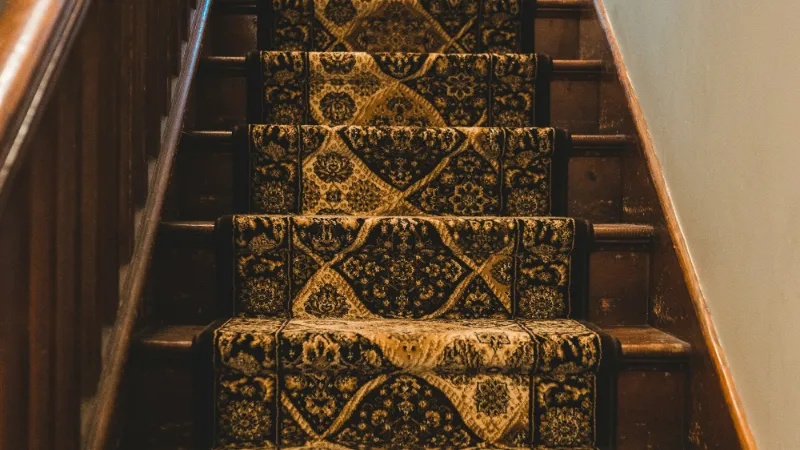 DesignStair Runner Patterns ExplainedHerringbone, chevron, stripes, plaid, geometrics and animal prints judged by how they behave on a staircase.
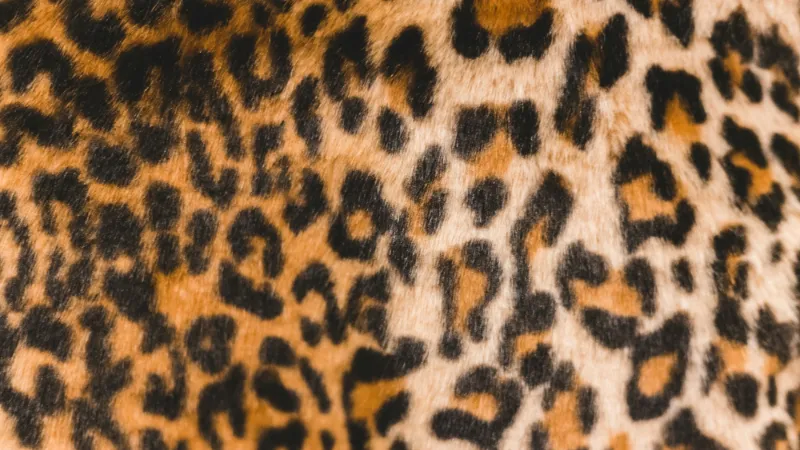 DesignLeopard Print Stair Runner Styling & SelectionHow to select and install a leopard print stair runner. We cover pattern scale, matching at the seams, hiding traffic wear, and balancing bold print with your hallway decor.