Patterns
Leopard print stair runners
The leopard print stair runner is a design classic that manages to be both bold and surprisingly practical. Here is how to navigate pattern matching, scale, and long-term wear for your hallway.
Written by the StairRunner.co editorial team · Updated 4 September 2026
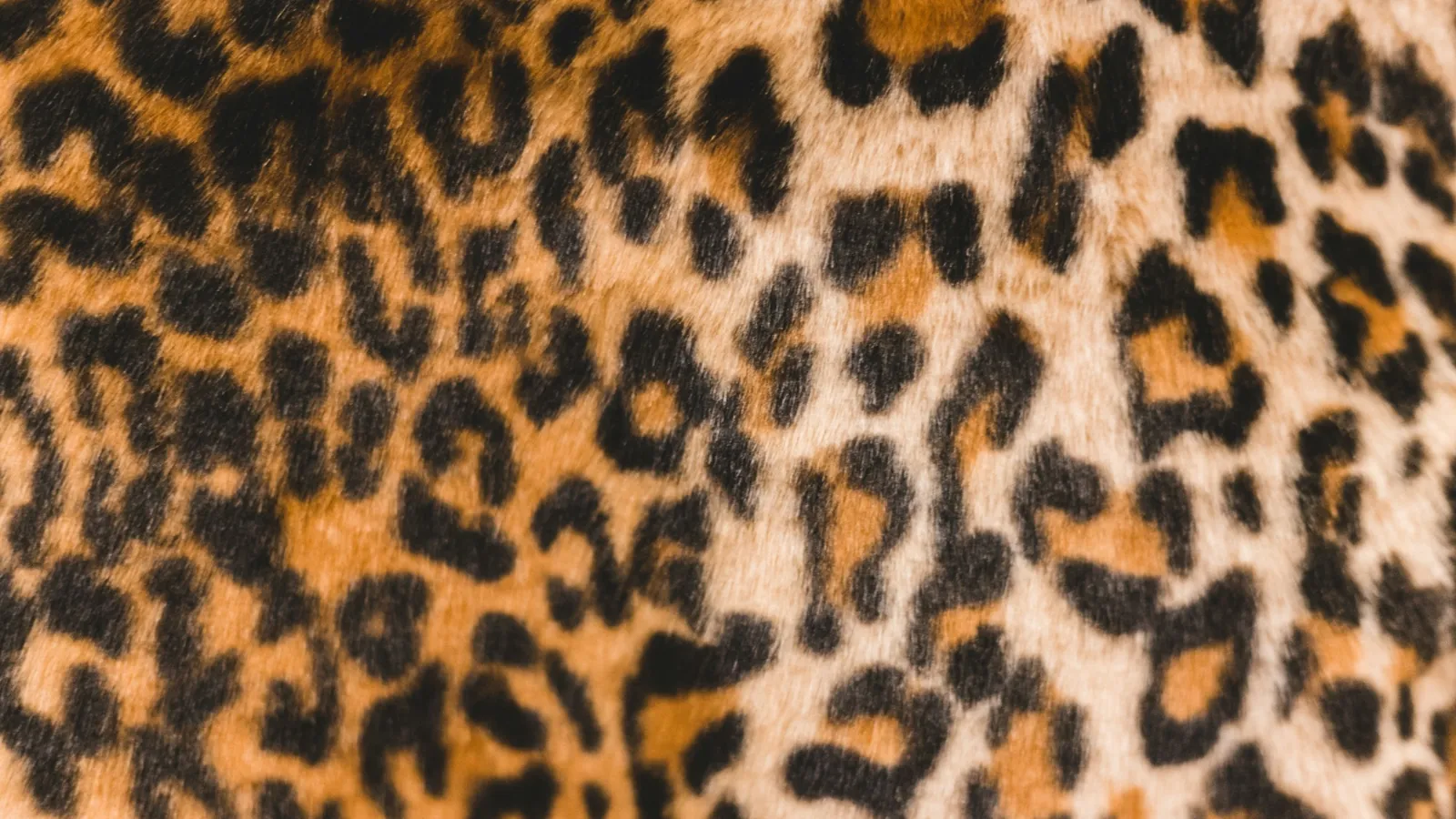
Leopard is the most popular animal print for stairs. Its rosettes give a warm, glamorous look that works in period townhouses and modern homes alike, and it is extremely practical for a busy family staircase.
Leopard options
| Option | Look |
|---|---|
| Classic gold and black | Warm, glamorous, traditional |
| Grey or snow leopard | Cool, softer, modern |
| Tonal or muted leopard | Reads almost as a neutral texture |
| Leopard with a bound border | Tailored and defined |
Why it works
The pattern is irregular, so it does not need to align from step to step — fitting is no harder than a plain runner and there is little extra waste. The mix of tones hides soil, stains and traffic marks.
Styling leopard
- Black or white painted stairs make the print look crisp.
- Plain walls in white, cream, deep green, navy or black.
- Antique brass or black hardware.
- Keep other patterns in the hall to a minimum.
Scale
A medium rosette is the safest choice. Very large prints can look busy on a narrow stair; very small ones can read as a speckle from a distance. View a sample from the bottom of the stairs.
Fibres
Wool and wool-rich runners show the print with depth and wear well. Choose a dense, low pile; avoid slippery finishes on stairs.
See also animal-print runners and cheetah print.
Frequently asked questions
- Does leopard print show dirt on stairs?
- Remarkably little. Because the print is naturally organic and multi-tonal, it camouflages mud, pet hair, and common household dust much better than a solid-coloured carpet ever could. This makes it a prime candidate for high-traffic entrances.
- How do you match leopard print on stairs?
- Professional installers use 'pattern matching' or 'pattern alignment' to ensure the spots line up correctly at each riser and over the nosing. Always allow for an extra 10-15% of material at the ordering stage to ensure there is enough pattern repeat for a seamless transition.
- Is leopard print too bold for a hallway?
- Leopard print functions as a neutral in many classic interiors. When used as a runner, it draws the eye and anchors the space, making it a sophisticated choice rather than an aggressive one, provided the rest of the hallway is relatively restrained in its use of competing patterns.
- What fibre works best for animal print runners?
- Wool or high-quality wool blends are traditional for leopard prints, as they hold the depth of the pattern well. For high-traffic family homes, solution-dyed synthetics like nylon or polypropylene are now available in excellent animal prints, offering better stain resistance and easier cleaning.
- Does the scale of the print matter for small stairs?
- Yes. Larger, more dramatic spots work well in grand, wide staircases, while smaller, more traditional 'oatmeal' style spots are often more forgiving and timeless in narrow, standard flights. A mid-scale print is usually the safest bet for most UK homes.
- How does leopard print handle the stair nosing?
- Because the pattern is non-linear, it is very forgiving at the nosing. Unlike stripes which can appear bent or crooked if the installation is off by a few millimetres, the organic spots of a leopard print flow over the edge naturally.
Related guides
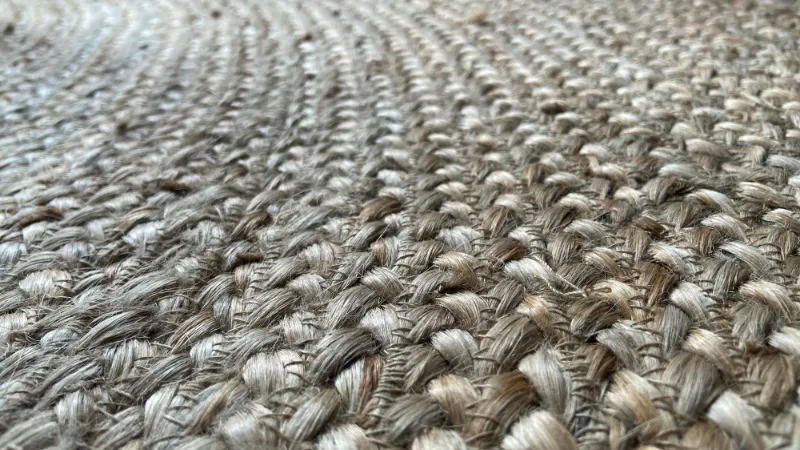 MaterialsStair Runner Materials ComparedWool, nylon, polypropylene, sisal and jute judged on stair-specific wear, comfort, cleaning and safety.
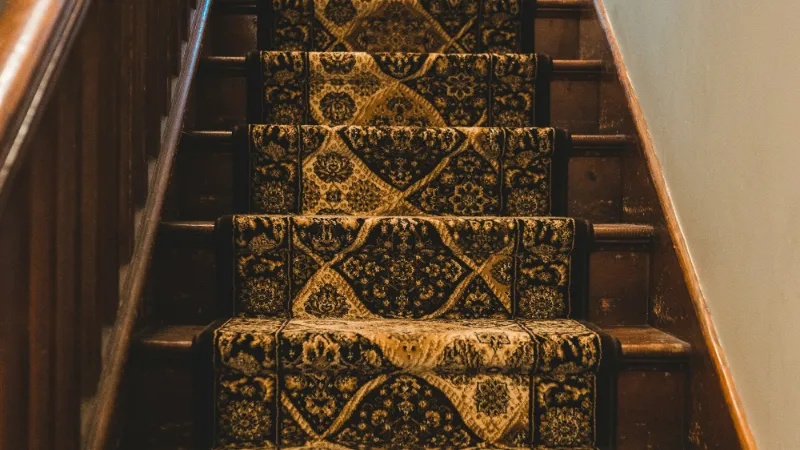 DesignStair Runner Patterns ExplainedHerringbone, chevron, stripes, plaid, geometrics and animal prints judged by how they behave on a staircase.
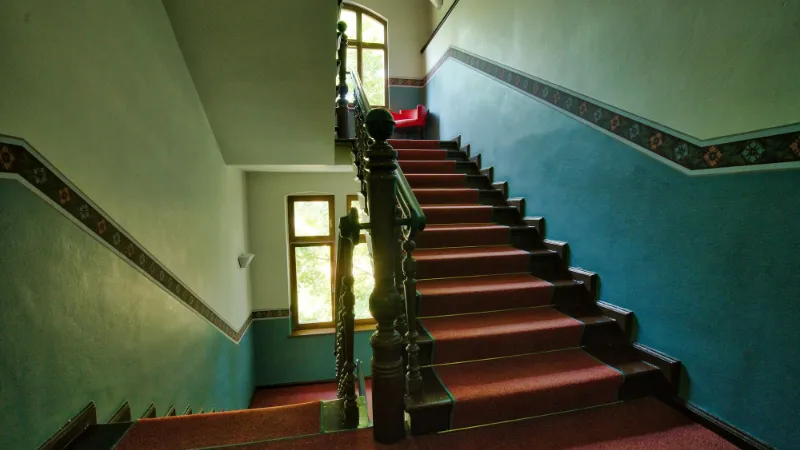 BuyingHow to Choose a Stair RunnerA decision order that starts with the staircase and ends with colour, not the other way round.