Style
Animal print stair runners: a buying guide
From a soft, tonal leopard effect to a graphic zebra stripe, animal print brings texture and confidence to a staircase, and it is one of the more forgiving patterns to live with day to day.
Written by the StairRunner.co editorial team · Updated 4 September 2026
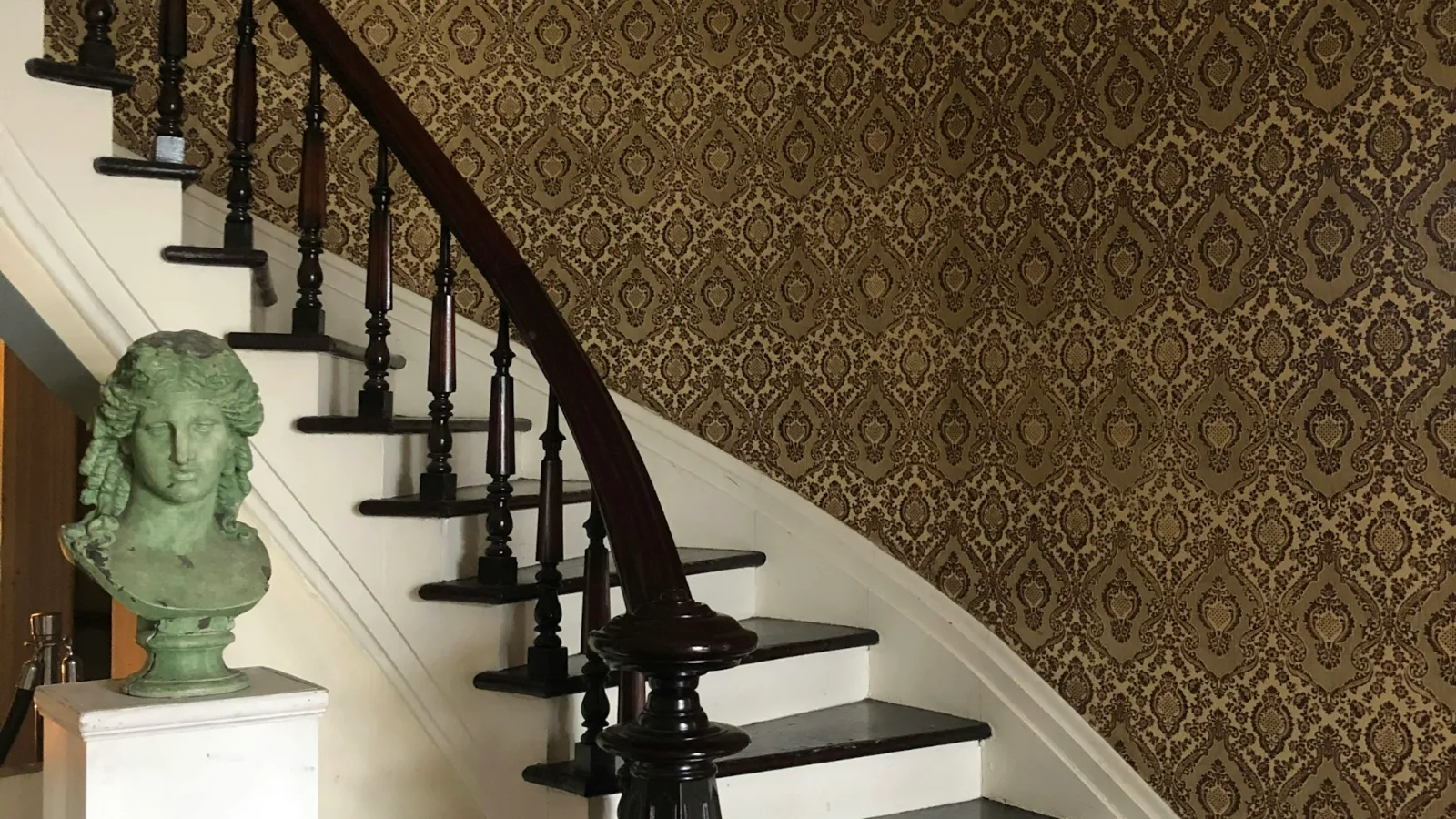
Animal-print runners — leopard, zebra, tiger, cheetah and antelope — have become a designer favourite for stairs. They add personality to a plain hallway and, perhaps surprisingly, are among the most practical patterns for a busy staircase.
Animal prints compared
| Look | Guide | |
|---|---|---|
| Leopard | Rosettes; warm and classic | Leopard runners |
| Cheetah | Solid spots; lighter and simpler | Cheetah print |
| Antelope | Small, tight spots; reads almost as a texture | Antelope runners |
| Zebra | Bold black and white stripes | Zebra runners |
| Tiger | Stripes on a warm ground | Tiger runners |
Why animal prints work on stairs
The irregular pattern does not need matching from step to step, so fitting is simpler than for stripes or geometrics, and there is little extra waste. The broken pattern also hides soil, crumbs and wear very effectively.
Making it look designed
- Keep walls plain — white, cream, a deep colour or simple panelling.
- Let the runner be the only pattern in the hall.
- Painted stairs, especially black or white, frame a print well.
- A bound edge in black or a colour from the print gives a tailored finish.
Scale
Smaller-scale prints like antelope read as a neutral texture and suit most homes. Large-scale zebra or tiger are bolder statements and need space and simple surroundings.
Fibres
Wool and wool-blend prints, often woven or printed on a dense pile, wear well and look rich. Avoid very slippery finishes such as viscose on stairs.
Frequently asked questions
- Are animal print stair runners too bold for most homes?
- Not necessarily. A muted, tonal animal print in soft browns and creams reads as a textural neutral rather than a loud statement, while a high-contrast black and white zebra print is much more of a deliberate design choice. The effect depends heavily on the colourway, not just the motif.
- Does animal print hide dirt well on stairs?
- Very well, generally. Leopard, cheetah and similar irregular prints are built from dozens of small, uneven markings across a mid-tone background, which is one of the most effective pattern structures for disguising everyday soiling, dust and pet hair between cleans.
- What is the difference between leopard and cheetah print for a runner?
- Leopard print uses irregular rosette-shaped markings, often with a darker outline and lighter centre, while cheetah print uses smaller, solid, more uniformly spaced spots. Both work similarly well on stairs; the choice comes down to which visual texture you prefer.
- Can animal print work in a period property?
- Yes, particularly in a muted, tonal colourway rather than a high-contrast one. Animal print has a long history in traditional decorating as an accent, and a soft leopard-effect runner can sit comfortably in a period hallway when paired with classical furnishings.
- Is animal print carpet more expensive than other patterns?
- Not inherently. Cost is driven mainly by fibre, construction method and pile quality rather than by the specific design printed or woven onto it, so an animal print runner sits within the same price range as other patterned options in a comparable specification.
- Will an animal print runner suit a narrow staircase?
- Yes, more readily than many other pattern types, because the irregular, small-scale markings in most animal prints do not rely on a large repeat to read correctly, unlike a big floral or geometric motif that can look cropped on a narrow runner.
Related guides
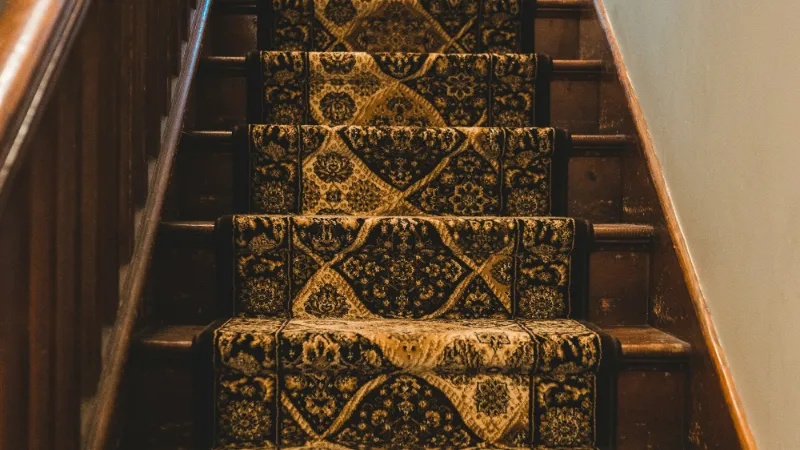 DesignStair Runner Patterns ExplainedHerringbone, chevron, stripes, plaid, geometrics and animal prints judged by how they behave on a staircase.
 DesignChoosing a Stair Runner ColourHow light, adjacent flooring, trim colour, traffic and dirt should drive the colour decision.
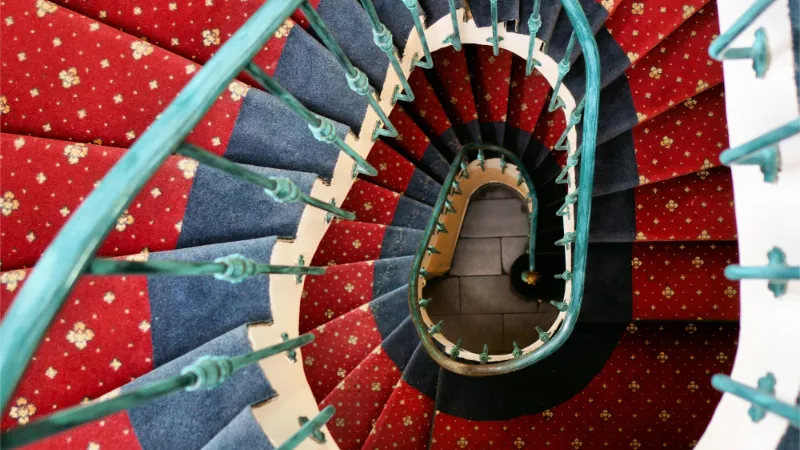 DesignBold Stair Runner Ideas & Design AdviceHow to use bold patterns, vibrant colours, and maximalist designs on your stairs. Learn about pattern scale, colour psychology, and architectural balance.
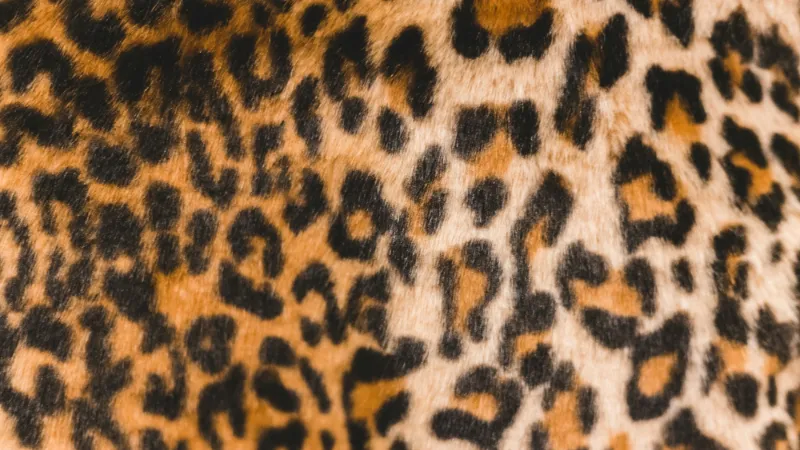 DesignCheetah Print Stair Runner Design & FittingThe definitive guide to cheetah print stair runners. Understand the difference between cheetah and leopard, choosing the right spot scale, and expert styling advice.
- DesignLeopard Print Stair Runner Styling & SelectionHow to select and install a leopard print stair runner. We cover pattern scale, matching at the seams, hiding traffic wear, and balancing bold print with your hallway decor.
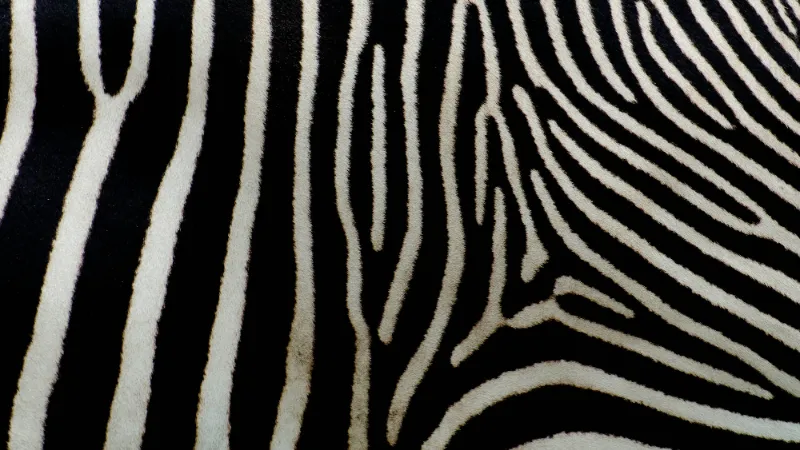 DesignZebra Print Stair Runner Guide: Style & SafetyExpert advice on zebra print stair runners. Learn about high-contrast pattern safety, stripe directionality, fibre choices, and how to style a monochrome hallway.