Style
Tiger print stair runners
Tiger stripes are one of the most recognisable animal prints in interiors, and one of the most versatile on a staircase — provided the scale, colourway and setting are chosen with some care.
Written by the StairRunner.co editorial team · Updated 4 September 2026
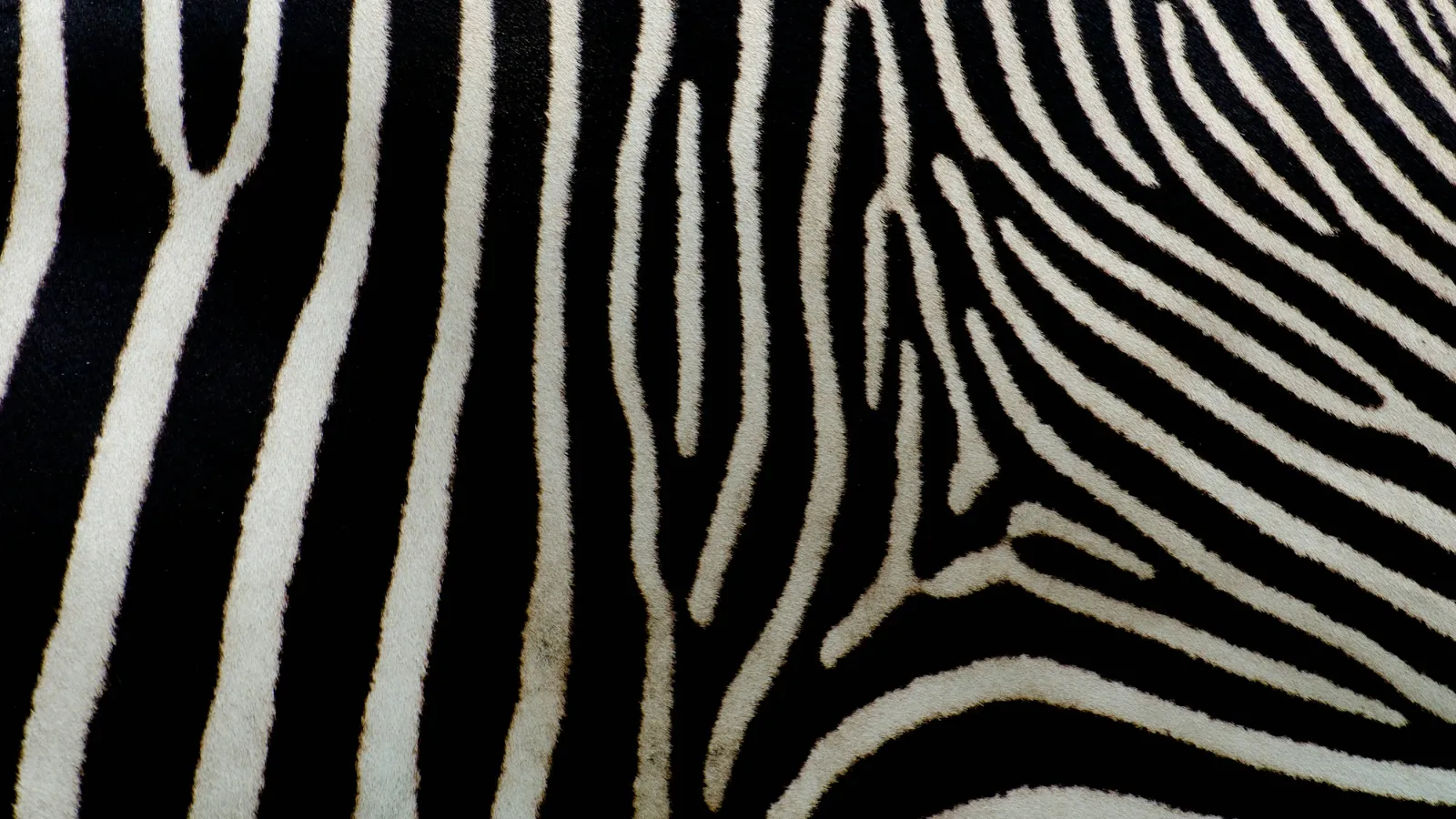
A tiger-stripe runner is the boldest of the animal prints: warm orange and gold grounds with dark irregular stripes, or softer tonal versions. It turns a staircase into the centrepiece of the hall.
Tiger options
| Option | Look |
|---|---|
| Classic orange and black | Bold and dramatic |
| Gold or caramel tiger | Warmer and softer |
| Grey or white tiger | Cool and modern |
| Tonal tiger | Subtle, almost a texture |
Direction of the stripes
Tiger stripes usually run across the runner, which gives a sense of movement up the stairs. Because the stripes are irregular, they do not need to line up from step to step, so fitting is straightforward.
Styling
- Dark walls — navy, green or charcoal — make the warm ground glow.
- Black or dark-stained stairs give strong contrast.
- Brass hardware for warmth.
- Keep everything else in the hall simple.
Practicality
The mix of tones hides soil well. Strong orange dyes can fade in direct sun, so choose fade-resistant fibres on sunny stairs.
See also zebra and animal-print runners.
Frequently asked questions
- Is a tiger print stair runner too bold for a hallway?
- It depends on scale and colourway more than the motif itself. A muted, tonal tiger stripe read from a distance as a rich texture rather than a literal print, while a large-scale, high-contrast version will dominate the hallway and should be balanced with plain walls and simple joinery.
- What colours work best with a tiger print runner?
- Warm neutrals such as camel, chocolate, cream and soft ochre echo the natural palette of the print and let it sit comfortably against most wall colours. Cooler greys and stark whites create more contrast and a more graphic, contemporary look.
- Does a tiger print runner suit a period house or a modern one?
- Both, depending on how it is framed. In a period hallway, a tiger stripe with a traditional woven border and brass stair rods reads as a heritage animal-print carpet. In a modern setting, a wider bare-margin install with a plain frame keeps the same runner feeling current.
- Will a busy tiger pattern show wear less than a plain runner?
- Generally yes. Multi-tonal, high-contrast patterns are far more forgiving of everyday soiling, pet hair and light traffic marks than a flat solid colour, which is one of the practical reasons animal prints remain popular on stairs.
- What fibre should a tiger print stair runner be made from?
- Printed and woven versions exist in both wool-blend and synthetic constructions. A wool-rich blend gives the best depth of colour and hand-feel; a solution-dyed synthetic is the more practical choice for a household with pets, children or a lot of daily footfall.
- How wide should a tiger print runner be relative to the stair?
- The usual guidance for any patterned runner applies: leave enough bare timber margin either side, typically around 5 to 10cm per side, so the stripe pattern is not visually squeezed by the edge of the stair and the border reads as a deliberate frame rather than an afterthought.
Related guides
 DesignAnimal Print Stair Runners: A Buying GuideChoosing an animal print stair runner: scale, colour depth, fibre and how leopard, zebra and other prints work on real treads and risers.
 DesignCheetah Print Stair Runner Design & FittingThe definitive guide to cheetah print stair runners. Understand the difference between cheetah and leopard, choosing the right spot scale, and expert styling advice.
- DesignLeopard Print Stair Runner Styling & SelectionHow to select and install a leopard print stair runner. We cover pattern scale, matching at the seams, hiding traffic wear, and balancing bold print with your hallway decor.
 DesignPatterned Stair Runners: Style & Fitting GuideA comprehensive guide to patterned stair runners. Learn about scale, pattern matching on winders, and how to balance bold designs with your hallway decor.