Style
Antelope print stair runners
Antelope print is the quietest of the animal prints used on stairs — a fine, speckled texture rather than a bold motif — and one of the most versatile for households wanting pattern's practical benefits without its visual noise.
Written by the StairRunner.co editorial team · Updated 4 September 2026
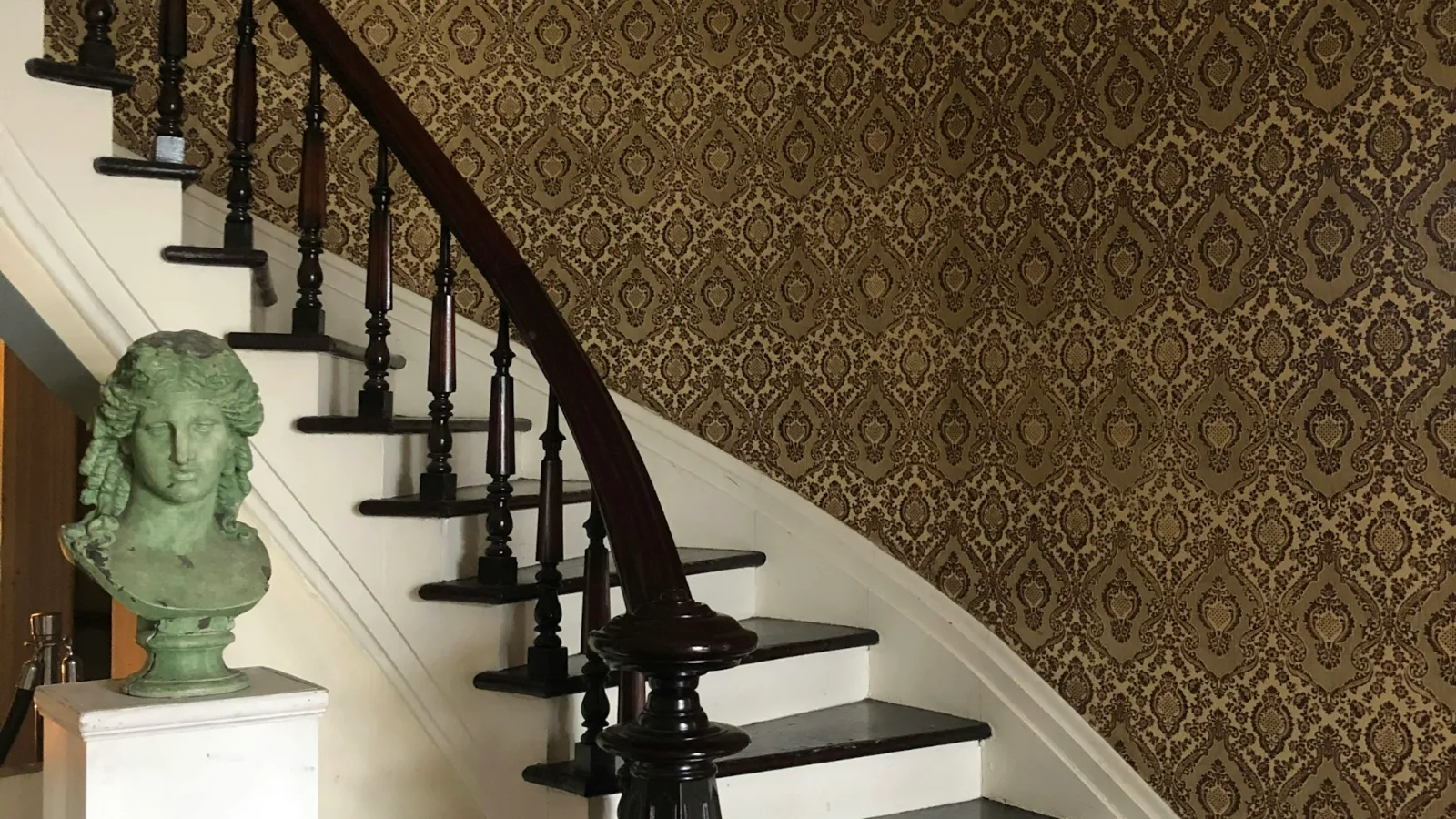
The antelope pattern is a small, tight spotted design that has become a classic for stair runners. It reads as a sophisticated neutral from a distance and as a playful print up close, and it is one of the most practical patterns there is.
Why antelope is so popular on stairs
- The small, dense pattern hides soil, crumbs and wear extremely well.
- It needs no pattern matching, so fitting is simple and wastes little material.
- It works in period and modern homes, and with most colours.
Antelope colourways
| Colourway | Look |
|---|---|
| Classic camel and brown | Warm and traditional |
| Grey and charcoal | Cool and modern |
| Navy or green | Rich colour with the same practicality |
| Ivory and black | Graphic and crisp |
Construction
The best-known antelope runners are woven wool, often in a dense cut pile or Wilton construction. This gives the pattern crisp edges and long wear. See Wilton runners.
Styling
- White or black painted stairs.
- Plain walls, or soft colours picked from the print.
- A bound edge for a tailored finish.
- Brass rods for a classic look.
Compare other animal prints.
Frequently asked questions
- What does an antelope print stair runner actually look like?
- It is a fine, irregular speckled or mottled pattern, closer in scale and texture to a scattering of small marks than a bold stripe or large spot. It reads at a distance as a subtly textured neutral, and only reveals the animal-print reference on closer inspection.
- Is antelope print a subtler choice than leopard or tiger?
- Generally yes. The pattern is finer and lower contrast than most other animal prints, which makes it a popular choice for anyone who wants the practical benefits of a patterned runner — good disguise of everyday soiling — without a strong or theatrical visual statement.
- What colours does antelope print typically come in?
- Most commonly a warm neutral base, such as ivory, oatmeal or beige, with darker fleck in brown, taupe or charcoal. Some ranges offer cooler grey-based versions for a more contemporary palette.
- Does antelope print suit a plain, understated hallway?
- Yes, this is where it performs best. Because the pattern is fine and low contrast, it works well as texture within a calm, neutral scheme rather than as a standalone feature, which suits hallways where the client wants durability and forgiveness without introducing a visual statement.
- Is antelope print carpet durable enough for daily stair use?
- The pattern itself does not affect durability; that comes from the fibre and construction. Antelope print runners are available in both wool-blend and synthetic constructions of varying density, so durability should be assessed the same way as for any plain runner.
- Can antelope print be used with a bordered runner?
- Yes, and it often benefits from one. Because the pattern is subtle, a simple contrast border in a solid colour taken from the darker fleck helps define the edge of the runner clearly against the bare stair margin either side.
Related guides
 DesignAnimal Print Stair Runners: A Buying GuideChoosing an animal print stair runner: scale, colour depth, fibre and how leopard, zebra and other prints work on real treads and risers.
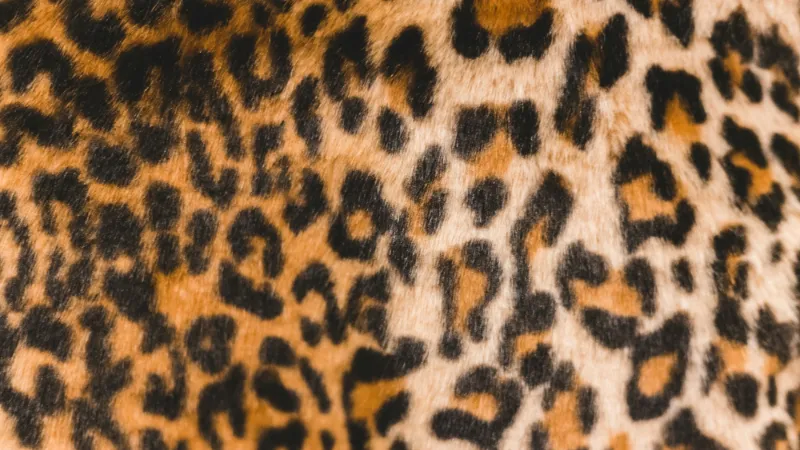 DesignCheetah Print Stair Runner Design & FittingThe definitive guide to cheetah print stair runners. Understand the difference between cheetah and leopard, choosing the right spot scale, and expert styling advice.
- DesignLeopard Print Stair Runner Styling & SelectionHow to select and install a leopard print stair runner. We cover pattern scale, matching at the seams, hiding traffic wear, and balancing bold print with your hallway decor.
 DesignTiger Print Stair RunnersHow to choose and specify a tiger-print stair runner, from stripe scale and colourway to fibre, pile and where it works best in a scheme.